


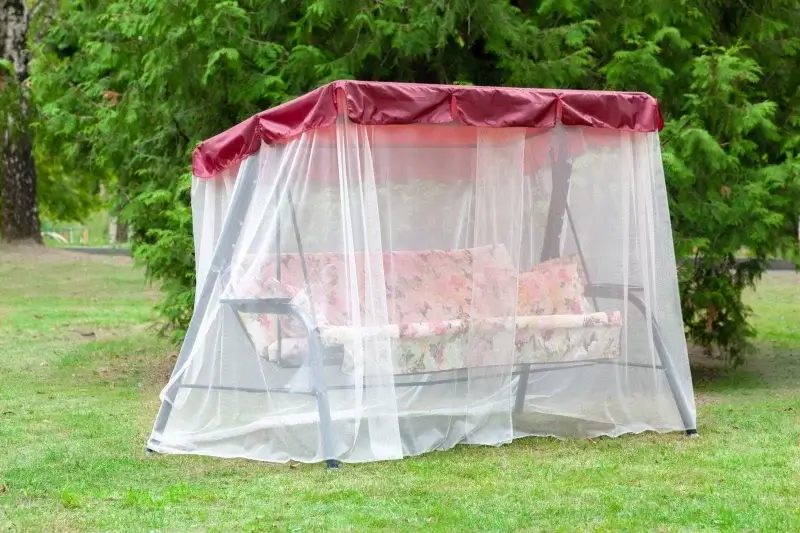
Every summer the same thing happens in thousands of UAE homes. The evenings finally become bearable, someone opens a balcony door to let the air in, and within twenty minutes the room has mosquitoes in it. The door gets closed, the AC goes back on, and the outdoor season is over before it started.
Insect screens are the obvious answer, and most homes here have some. The problem is that a large share of them do not work properly — not because screens are a bad idea, but because the wrong type was fitted, or the right type was fitted badly, or nobody maintained it.
This guide covers what actually holds up in UAE conditions, what quietly fails, and what you should expect to pay.
WHY SCREENS FAIL HERE AND NOT ELSEWHERE
Three local conditions do most of the damage, and none of them are obvious when you are buying.
Airborne dust: Fine sand works into sliding tracks and channels. In a screen with a bottom runner, that grit acts like an abrasive every time the screen moves. Within a couple of seasons the rollers flat-spot, the screen starts to drag, somebody forces it, and the frame goes out of square.
UV and heat: Constant sun hardens the plastic components — the corner joints, the guide brushes, the tensioning springs in retractable units. Cheap mesh goes brittle and starts to tear at the edges where it is clamped. This is why a screen can look fine and still have a two-centimetre gap along one side.
Humidity and salt: Along the coast, untreated aluminium and steel springs corrode. On a retractable screen, a corroded spring means the mesh no longer retracts cleanly, which people then pull harder, which finishes the mechanism.
None of this is dramatic: It just means the screen you bought performs for two years instead of ten.
THE FIVE SCREEN TYPES, HONESTLY COMPARED
Fixed frame screens are the simplest thing that works: a rigid aluminium frame with mesh, fitted into the window reveal. No moving parts means nothing to wear out. They suit windows you do not need to reach through — bedrooms, bathrooms, kitchens with a separate access point. The trade-off is that cleaning the outside of the glass means removing the screen.
Sliding screens run in a track alongside a sliding window or door. They are the default for balcony doors and large sliding windows. They are also the type most affected by dust, so the quality of the track and rollers matters more than anything else in the specification. A sliding screen with good rollers and a brush-sealed track will outlast a cheap one several times over.
Retractable screens roll into a cassette when not in use, which is why people like them — the screen disappears when you do not need it. They suit doors where appearance matters, and openings used daily. They have the most moving parts, so they are the most sensitive to poor installation and the least tolerant of neglect. Get a quality cassette or do not bother.
Pleated screens fold concertina-style along a bottom track. They handle wide openings that would sag on a single sliding panel, and they are common on large patio doors. They need the track kept clean; grit in the bottom guide is their main failure point.
Magnetic and velcro screens are the budget option — a mesh panel that attaches around the frame. They genuinely work for a season, and for a rental where you cannot drill, they are a reasonable answer. They are not a permanent solution and should not be priced as one.
MESH: THE PART NOBODY ASKS ABOUT
The frame gets the attention. The mesh does the work. Fibreglass mesh is the standard: coated, flexible, does not crease permanently, and cheap to replace. Suitable for most residential windows.
Aluminium mesh is stiffer and more durable, better where the screen takes knocks, but it creases if bent and does not recover.
Stainless steel mesh is the choice where pets are involved or where the screen is at ground level — it resists claws and pushing. More expensive, worth it in the right place.
Fine-gauge mesh matters if your problem is not mosquitoes but the smaller biting insects that standard mesh lets straight through. If you are screening and still getting bitten, this is usually why. The trade-off is airflow — the finer the weave, the more breeze you lose, which in this climate is a real cost.
Pet-resistant and pollen mesh exist and are worth asking about if either applies, but do not let a supplier upsell you into them by default.
MEASURING AND FITTING IS WHERE MOST OF THE MONEY IS LOST
A screen that is 5mm undersized on one edge is not 95% effective. It is a screen with a permanent gap, and mosquitoes find gaps.
This is the strongest argument for having screens measured and fitted rather than bought off the shelf. UAE window reveals are frequently out of square — plastered openings, tiled sills, aluminium frames with varying profile depths. A supplier who measures on site accounts for that. A standard-size panel does not.
Two things to insist on:
Fitting that does not damage the frame. Ask how the screen is fixed. Screwing into a thermally broken aluminium frame in the wrong place can compromise the seal or, in a rented apartment, cost you your deposit. Pressure-fit and clip-fit options exist.
A seal line all the way round. Brush strips or gaskets where the screen meets the frame. This is the difference between a screen and a decoration.
For homes across Dubai and the wider UAE, a specialist that measures, manufactures and fits — such as a dedicated supplier of mosquito nets for UAE homes will usually be cheaper over five years than the cheapest option fitted badly, simply because you are not paying twice.
WHAT IT COSTS
Prices vary with size, mesh and mechanism, but the general shape holds:
Magnetic or velcro panels — the cheapest option, and the shortest-lived. Budget accordingly and treat them as seasonal.
Fixed frame screens — inexpensive per window, and the best value where you do not need access.
Sliding screens — mid-range, and the place where paying more for better rollers genuinely pays back.
Pleated and retractable systems — the most expensive, justified on large or high-traffic openings where appearance and convenience matter.
Get the quotation itemised by opening, with the mesh type and frame system named. A single total for “screens throughout” tells you nothing and makes comparison impossible.
MAINTENANCE: FIFTEEN MINUTES, TWICE A YEAR
This is the part that decides whether you get three years or ten.
A vacuum crevice tool along the bottom track, twice a year, removes the grit before it damages he rollers. This single habit prevents most sliding-screen failures.
Wash Clear the tracks:the mesh gently: Warm water and a soft brush. Pressure washing stretches mesh and pops it out of the clamping channel.
Check the perimeter: Look for daylight along the edges. A gap means the seal has shrunk or the frame has moved, and both are cheap to fix early.
Do not force anything: A screen that has become stiff is telling you something. Forcing it converts a roller replacement into a frame replacement.
Retractables need the cassette checked: dust in the housing is the usual cause of a screen that will not retract smoothly.
A SHORT CHECKLIST BEFORE YOU BUY
- Which openings actually need screening, and which are opened rarely enough to skip?
- Do you need to pass through the opening, or only ventilate it?
- Is the problem mosquitoes, or smaller insects that need finer mesh?
- Are pets or small children going to lean on it?
- Is this a rental where non-invasive fitting matters?
- Has the supplier measured on site, or quoted from your photos?
Answer those six and you will not be sold the wrong system.
THE REALISTIC CONCLUSION
Insect screens are one of the few home upgrades in this climate that pay back immediately and obviously. The evening becomes usable again. The AC runs less because windows can actually open. The house feels less sealed.
But they are also one of the easiest things to get wrong, because from the outside every screen looks like every other screen. The differences — mesh grade, roller quality, seal line, accurate measurement — are all invisible until the thing fails.
Spend the extra on the parts you cannot see, keep the tracks clean, and it is a problem you solve once.