
Rhinoplasty is a surgical procedure that reshapes the nose to address aesthetic concerns, improve facial balance, or correct certain structural problems. While the procedure itself may take only a few hours, recovery is a gradual process that continues for months. Understanding the rhinoplasty recovery timeline can help patients prepare for each stage and develop realistic expectations about swelling, bruising, and the final appearance of the nose.
For anyone considering rhinoplasty in Dubai, it is important to understand that recovery differs from person to person. The surgical technique, the extent of the changes, individual healing patterns, and adherence to postoperative instructions can all influence the process.
The First 24–72 Hours: Rest and Initial Swelling
The first few days after rhinoplasty are generally focused on rest and managing the body’s initial response to surgery. Swelling, bruising around the nose and eyes, mild discomfort, and nasal congestion are common during this period.
Patients may be advised to keep their heads elevated while resting and to use cold compresses around the eyes if recommended by their surgeon. Cold compresses should never place direct pressure on the nose. Medication should be taken only as prescribed, and patients should avoid blowing their noses unless their surgeon has specifically permitted it.
It is also important to arrange assistance for the initial recovery period, particularly immediately after anaesthesia. Strenuous activity, bending, heavy lifting, and other movements that may increase pressure or risk accidental impact should be avoided.
Some drainage or light bleeding may occur shortly after surgery, but persistent bleeding, severe or rapidly worsening pain, visual changes, or other unexpected symptoms require prompt medical attention.
Days 4–7: Bruising Begins to Improve
During the remainder of the first week, swelling and bruising may still be noticeable, although some patients begin to see gradual improvement. The nose may feel blocked, and breathing through the nostrils can remain difficult because of internal swelling or temporary supports placed during surgery.
A protective splint is commonly used to support the nose while early healing takes place. Depending on the surgical plan, internal splints or other supports may also be used.
Patients should keep the surgical area dry or follow the surgeon’s specific instructions for cleaning and bathing. They should not adjust the splint, remove dressings, or attempt to clean inside the nose without guidance.
Although the initial recovery period can feel uncomfortable, patience is essential. The nose is still healing beneath the external dressing, and its appearance at this stage does not reflect the final result.
Around One Week: Splint Removal
External splint removal is an important milestone for many rhinoplasty patients. It often takes place approximately one week after surgery, although the timing depends on the surgeon’s protocol and the patient’s healing progress.
When the splint is removed, patients may notice a more defined nasal shape than they expected, but the nose can still appear swollen. The bridge, nasal tip, and area around the nostrils may look different as swelling gradually settles.
It is normal for the nose to feel firm or unfamiliar during this stage. Some patients may also notice temporary differences in swelling between the two sides. These early changes do not necessarily indicate the final shape or a surgical problem.
The surgeon will assess healing and explain the next steps, including any restrictions on glasses, physical activity, skincare, and sun exposure. Patients should avoid judging the final result immediately after splint removal.
Weeks 2–3: Returning to Everyday Activities
By the second or third week, much of the visible bruising often begins to fade, and many patients feel more comfortable returning to routine activities. However, the degree of recovery varies, and some people need additional time before resuming work or social commitments.
Swelling generally becomes less noticeable, but it remains present beneath the skin. The nose may look different in the morning or after activity, and subtle changes can continue from day to day.
Light walking may be encouraged when approved by the surgeon. More strenuous exercise, heavy lifting, and activities that could cause facial impact should remain restricted until medical clearance is given.
Contact sports and other activities with a significant risk of injury require particular caution. Even when the nose looks better externally, its internal structures may still be healing.
Weeks 4–6: Gradual Improvement in Definition
During the first month or so, the nose often begins to look more settled. Most of the prominent bruising has usually resolved, and early swelling may have decreased considerably. Nevertheless, the nasal tip can remain rounded, firm, or less defined than expected.
Patients sometimes become concerned when the nose appears to change shape during this period. In many cases, these fluctuations are related to residual swelling rather than a permanent change in the surgical result.
Exercise can often be reintroduced gradually, but the appropriate timing depends on the procedure and individual healing. Patients should receive explicit approval before returning to intense workouts, heavy lifting, swimming, or activities that could expose the nose to impact.
Follow-up appointments remain important because the surgeon can evaluate healing, address concerns, and adjust recommendations as needed.
Months 2–3: A More Refined Appearance
By the second and third months, much of the early swelling has generally improved. The bridge may appear more defined, and the overall nasal shape can become easier to assess.
However, recovery is not complete. The nasal tip often retains swelling longer than other areas because its skin and underlying tissues may take more time to settle. Patients with thicker nasal skin or more extensive surgical changes may experience a longer period of visible swelling.
At this stage, it is useful to compare progress with the surgeon’s assessment rather than relying solely on photographs or day-to-day observations. Lighting, camera angles, and temporary swelling can influence how the nose appears.
The recovery process should be evaluated over time, not based on a single photograph.
Months 3–6: Continued Changes Beneath the Skin
Between three and six months, the nose may continue to become more refined as residual swelling decreases and the tissues settle. Changes are often subtle, particularly around the nasal tip and nostrils.
Patients may feel that progress has slowed because the most noticeable improvements occurred during the earlier weeks. This does not necessarily mean healing has stopped. The later stages of recovery often involve gradual changes that are difficult to notice from one day to the next.
Follow-up visits help the surgeon monitor the outcome and determine whether the healing process is progressing as expected. Patients should avoid pressing, massaging, or manipulating the nose unless specifically instructed to do so.
Months 6–12 and Beyond: Assessing the Final Result
For many patients, the nose looks substantially more settled by six months, but subtle swelling and tissue changes can continue beyond this point. A more reliable assessment of the final result is often possible around the 12-month mark, although some patients may need longer.
The timeline depends on several factors, including the original nasal anatomy, skin thickness, the complexity of surgery, and whether the procedure involved significant structural changes. Revision procedures can have different recovery patterns and may require additional time for swelling to resolve.
Patients considering revision rhinoplasty in Dubai should understand that secondary surgery can be more complex because of existing scar tissue and changes from a previous operation. The recovery timeline must be assessed individually, and expectations should be discussed carefully before surgery.
A surgeon can explain which changes are likely to continue during healing and when it is appropriate to evaluate the outcome more definitively.
Factors That Can Influence Rhinoplasty Recovery
Although the general timeline offers a useful guide, recovery is not identical for every patient. Several factors may affect how quickly swelling settles and normal activities resume.
Surgical complexity: Procedures involving extensive reshaping or structural correction may require a longer recovery period.
Skin thickness: Thicker skin, particularly around the nasal tip, can make residual swelling last longer.
Individual healing: Age, general health, and natural healing patterns can influence recovery.
Postoperative care: Following instructions regarding medication, activity restrictions, wound care, and follow-up appointments supports appropriate healing.
Previous nasal surgery: Revision procedures may involve additional complexity and a different recovery trajectory.
Patients should discuss these factors during their consultation rather than assuming that another person’s timeline will apply to them.
When Should You Contact Your Surgeon?
Some swelling, congestion, bruising, and mild discomfort are expected after rhinoplasty. However, certain symptoms should not be ignored. Contact your surgical team promptly if you experience persistent or heavy bleeding, worsening pain, fever, increasing redness, unusual discharge, or symptoms that concern you.
Seek urgent medical assessment for breathing difficulty beyond the expected nasal congestion, sudden visual changes, severe headache, or other serious or rapidly worsening symptoms.
Do not wait for a routine follow-up appointment if you believe something is wrong. Your surgeon’s postoperative instructions should always take priority over general recovery advice.
Final Thoughts
Rhinoplasty recovery is a gradual process that extends well beyond splint removal. The first week focuses on initial healing, the following weeks bring improvements in bruising and swelling, and the nose continues to refine over several months. Although many patients see substantial progress within the first few months, the final appearance may take a year or longer to assess confidently.
The most helpful approach is to follow your surgeon’s instructions, attend scheduled follow-up appointments, protect the nose from injury, and allow enough time for healing. With realistic expectations and appropriate postoperative care, patients can better understand each recovery milestone and make informed decisions throughout the process.
This article is for general educational purposes only and does not replace an individual consultation or medical advice from a qualified surgeon.
Image Alt Text:
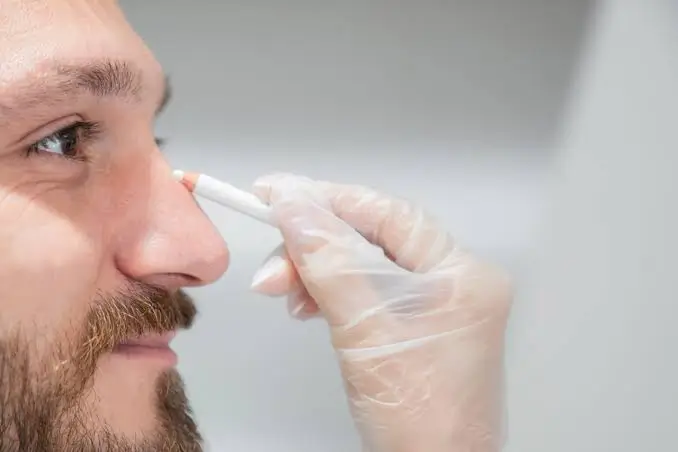
Medical consultation illustrating rhinoplasty recovery stages and expected nasal healing