

Dubai’s real estate sector has entered a significant new phase of maturity, where under-construction developments have transitioned from a secondary option to the primary engine of market activity. Recently, the emirate recorded a massive volume of real estate transactions totaling a substantial financial value, a clear indicator of the sustained appetite for property in the region. Within this thriving ecosystem, off-plan properties have emerged as the dominant force, capturing a substantial market share of all property transactions. This shift highlights a strategic transition from a consumption-based market focused on immediate rental yields to an investment-driven landscape prioritizing long-term capital appreciation.
The Surge in Off-Plan Dominance: Recent Performance
Recent data underscores the resilience of the off-plan segment. Transactions in this category rose significantly in volume and value compared to the same period in the previous year. This growth is occurring even as the secondary market faces a slight decline in transaction volume, though its total value remains high as buyers seek ready homes in established communities. A notable divergence has appeared; while secondary market sales fell in the wake of regional geopolitical tensions, off-plan sales grew steadily, demonstrating a unique resilience to temporary market disruptions.
Investor behavior is becoming increasingly selective. Today’s buyers are no longer just chasing volume; they are focusing on developers with proven reputations, high-quality infrastructure, and projects located in districts with clear long-term growth potential. This intentional approach is supported by the consistent pipeline of new launches and competitive pricing in emerging communities, which continues to attract both domestic end-users and international investors seeking to diversify their portfolios.
Why Investors Prefer Under-Construction Units
The popularity of off-plan properties is driven by several fundamental economic advantages. Primarily, acquisition prices during pre-construction phases are significantly lower than those for completed properties. This allows investors with smaller capital to enter the market more easily. Furthermore, property values typically appreciate as construction milestones are reached, offering substantial capital gains between the initial purchase and the final handover.
Flexible financing is another critical pull factor. Unlike ready properties that often require immediate full payment or complex financing, off-plan projects offer long-term installment plans, with some developers even providing post-handover payment options. Additionally, many of these investments qualify buyers for the UAE Golden Visa, a significant incentive for expatriates looking to secure long-term residency through real estate. This combination of lower entry barriers and high yield potential has made off-plan assets the preferred choice for those looking to build their lives in the UAE.
Shift Toward Sprawling Spaces and Lifestyle Assets
A defining trend is the growing demand for larger homes and family-oriented spaces. While apartments continue to lead in terms of total transaction volume—accounting for the majority of residential deals—the villa and townhouse segment is gaining rapid ground. In the off-plan market, multi-bedroom villas have become particularly popular among end-users prioritizing space and privacy. Inquiries for larger off-plan apartments and villas have seen a significant recovery and surge compared to previous baselines.
This structural transition reflects a change in buyer priorities toward community living and long-term value. High-net-worth individuals are also active in the prime segment, seeking exclusive waterfront and lifestyle-led assets in areas like Palm Jumeirah, Jumeirah Bay Island, and World Islands. These luxury buyers are often looking for branded residences and resort-style environments that offer a mix of security and global connectivity.
Prime Growth Corridors: Where the Volume Is
Development activity is increasingly pushing outward into newer districts as land constraints in the city center tighten. Dubai South has emerged as a leader in off-plan apartment demand, bolstered by its proximity to Al Maktoum International Airport and extensive infrastructure expansion. Similarly, Jumeirah Village Circle (JVC) remains a high-activity micro-market due to its competitive pricing and appeal to small families and professionals.
Waterfront communities continue to hold a premium status. Investors looking for luxury and leisure are increasingly focusing on the off plan projects in Dubai Islands, where Nakheel is developing a massive master plan consisting of five interconnected islands. These projects offer a diverse range of property types, from premium penthouses to scenic villas, and are positioned as one of the most promising growth corridors for the coming decade. Other active districts for housing demand include DAMAC Islands 2, The Valley, and The Oasis, where new master plans from major brands like Emaar and DAMAC are shaping the future skyline.
The Impact of Regional Dynamics and Policy
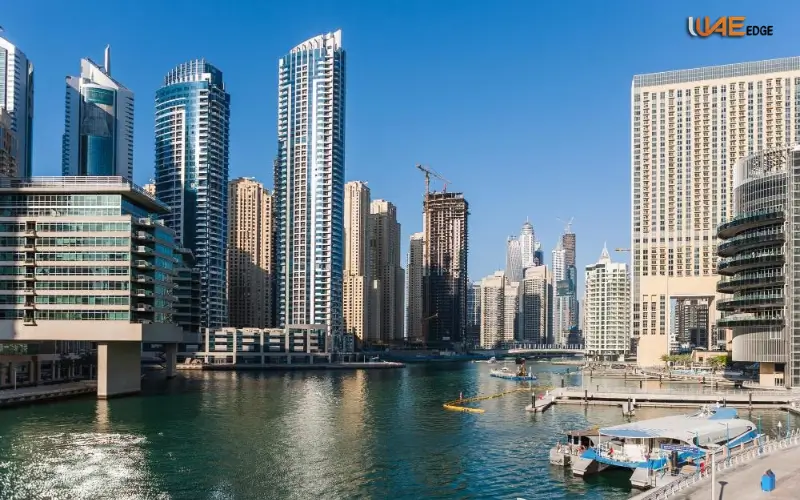
The Dubai property market has shown remarkable maturity in how it handles external shocks. While regional tensions in early 2026 initially impacted air travel and caused a temporary dip in secondary transaction volumes, the residential market moderated quickly. One interesting side effect of this uncertainty has been a “hold and rent” behavior among property owners. Instead of selling at what they perceive as lower prices during a dip, owners are flooding the rental market, which has led to a correction in rents in some premium areas like Dubai Marina and Al Barsha.
Frequently Asked Questions
What is ‘Oqood’ and why is it important for off-plan buyers?
Oqood is an online registration system provided by the Dubai Land Department (DLD) that issues an interim title deed for off-plan properties. It ensures the project is registered under the buyer’s name before the building is completed, providing a layer of legal protection and preventing the developer from selling the same unit twice.
Can I resell my off-plan property before it is completed?
Yes, off-plan properties in Dubai can be resold before completion. Most developers require the initial buyer to have paid a certain percentage of the total property value (typically between 30% and 40%) before granting a No Objection Certificate (NOC) for the resale.
What happens to my money if a developer cancels a project?
Under Dubai law, all off-plan payments must be deposited into a government-regulated Escrow account. If a project is officially cancelled by RERA (Real Estate Regulatory Agency), the funds held in the Escrow account are used to refund investors. The DLD closely monitors these accounts to protect buyer capital.
Do I have to pay service charges on an off-plan property during construction?
No, service charges are only applicable once the property has been completed and the keys have been handed over to the owner. During the construction phase, all maintenance and operational costs are the responsibility of the developer.
What is the ‘4% DLD Fee’ and when is it paid?
The DLD fee is a standard property registration tax in Dubai, set at 4% of the total purchase price. For off-plan properties, this is usually paid at the time of purchase or shortly after, and it is a mandatory requirement for the issuance of the Oqood certificate.
Can I obtain a mortgage for an off-plan property in Dubai?
Yes, mortgages are available for off-plan properties, although the requirements are often stricter than for ready homes. Banks typically offer up to 50% financing for off-plan units, and the loan is often released in stages corresponding to the construction milestones agreed upon in the payment plan.
Discover the key off-plan property trends driving Dubai’s real estate market. Explore data on transaction volumes, investor shifts toward larger homes, and prime growth corridors.
Also Visited: Mafraq Industrial Area Abu Dhabi