


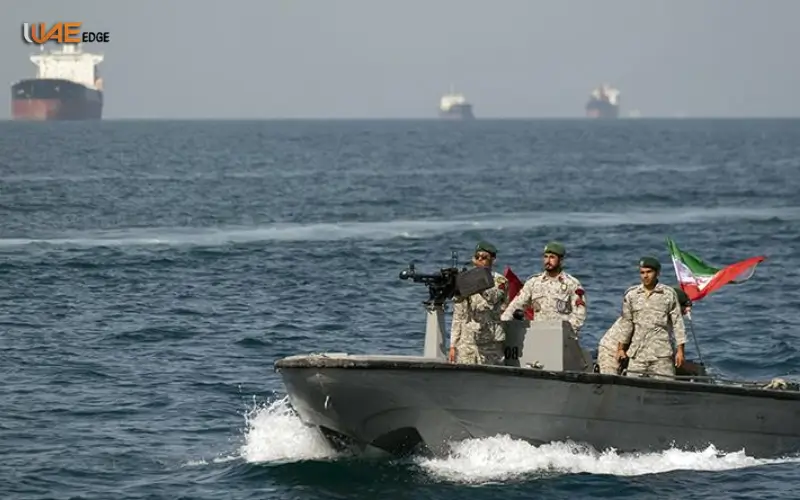
There seems to be a buildup in tension in the Middle East after unverified reports that the United States has limited sea movement connected to Iran in the Strait of Hormuz, whilst Israel has escalated weapons actions on the Lebanon border.
Probable Effect on UAE
The case concerns United Arab Emirates, especially because, being geographically and economically close to the Strait of Hormuz, it is extremely likely to be affected by the situation in this area:
- UAE exports its oil through the sea, and its commerce heavily dependent on the Strait.
- Jebel Ali Port and other major ports are major logistics centers that are linked to international shipping routes.
- Any impediment in the Strait would affect shipping schedules, freight expenses, and local energy marketplaces.
Strait of Hormuz is one of the most important sea bottlenecks in the world, according to the U.S. Energy Information Administration. Around 20–30 percent of world’s oil trade passes through the Strait of Hormuz.
Regional Security Concerns
At the same time, alleged Israeli attacks in southern Lebanon, especially in those regions of the country related to the Hezbollah forces, reflect increasing instability on various fronts. To the UAE and the Gulf region, this may entail:
- Tightened security checks on shipping channels.
- Increased military surveillance in the region.
- Rising costs of possible insurance and risk premiums on vessels.
Strategic Outlook
These developments can potentially result in:
- Oil price fluctuations directly impact the Gulf economies such as UAE.
- Interruptions in trade, particularly to the import/export industry.
- Even greater geopolitical agitation, which may include various players in the region.


