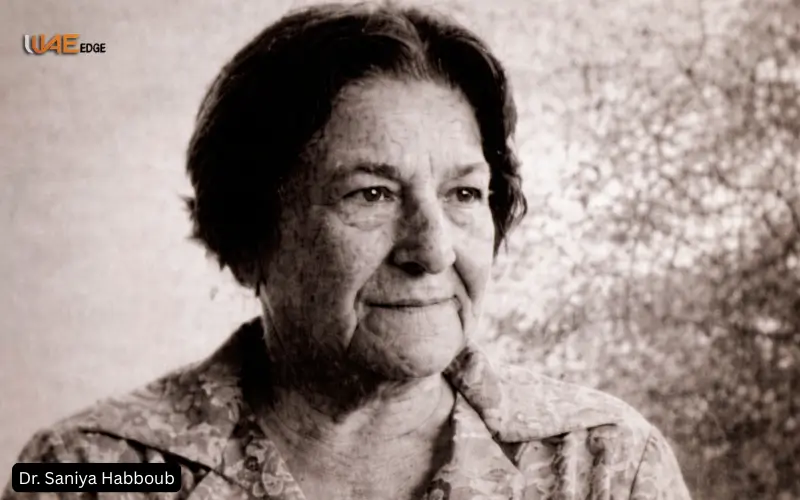
Dr. Saniya Habboub was a Lebanese physician who became the first Lebanese woman to obtain a medical degree in the United States. She graduated from the Woman’s Medical College of Pennsylvania on June 10, 1931, and returned to Beirut to build a medical practice that served women from her community. At a time when women faced barriers to higher education and professional careers, she showed that women could study medicine and work independently as doctors.
Habboub’s story goes beyond her medical degree. She treated women who could not afford medical fees, supported community organisations and helped encourage other Lebanese women to pursue education. Her career remains an important part of Lebanon’s medical history and the wider story of women entering professions that society once restricted.
Quick Facts About Dr. Saniya Habboub
| Detail | Information |
| Full name | Saniya Moustafa Habboub |
| Birth year | 1901 |
| Birthplace | Beirut, Lebanon |
| Profession | Physician |
| Medical college | Woman’s Medical College of Pennsylvania |
| Graduation year | 1931 |
| Medical fields | Obstetrics, gynecology and general medicine |
| Medical practice | Bab Idriss, Beirut |
| Major recognition | Health Medal of Merit, 1982 |
| Death | September 1983 |
| Google Doodle | June 10, 2022 |
Early Life and Family Background
Saniya Habboub was born in Beirut, Lebanon, in 1901. Her father, Moustafa Habboub, worked in the leather trade, while her mother, Adila al-Jazairy, strongly valued education. Although her mother had not received formal schooling, she wanted her daughters to have educational opportunities that she had never experienced herself.
Her family played an important role in helping her pursue her ambitions. Her father supported her education despite the social criticism that followed her decision to study medicine. His encouragement gave her the opportunity to continue studying when many women faced restrictions on their educational and professional choices.
Habboub began her schooling at the American School for Girls in Beirut. Her early life also brought personal difficulties. At the age of 14, she contracted typhoid fever, and the illness left her with a lasting problem in her left leg. Despite this physical challenge, she continued her education and worked towards her professional goals.
Her upbringing helped shape her determination to study medicine. She wanted to gain the qualifications needed to serve women in her community, even though the path to becoming a doctor was far from straightforward.
Dr. Saniya Habboub’s Education and Journey to America
Studies at the American Junior College for Women
Habboub joined the American Junior College for Women in Beirut in 1924. The institution provided higher education for women at a time when access to advanced studies remained limited. In 1926, she graduated as one of the first three students to complete the college’s initial programme.
Her graduation marked an important step towards her ambition of becoming a physician. She then continued her studies at the American University of Beirut (AUB), hoping to enter its medical programme.
Why She Chose to Study Medicine Abroad
Habboub encountered social opposition as she pursued medical education. Women faced restrictions in accessing medical training, and her decision to study alongside men at university attracted criticism from parts of her community.
The medical education she wanted was not available to her through the route she had planned at AUB. Rather than abandon her ambition, she looked for an opportunity overseas. She learned about the possibility of studying medicine in the United States and decided to continue her education there.
Her parents supported her decision. Although her father provided a letter of credit for her journey, Habboub chose to earn her own money by teaching embroidery and stitching. This detail offers a glimpse into her determination to support herself while pursuing her education.
Medical Graduation in 1931
Habboub enrolled at the Woman’s Medical College of Pennsylvania in the United States. The college offered women a route into medical education when many institutions restricted their opportunities to study medicine.
On June 10, 1931, she graduated with a medical degree in obstetrics and gynecology. Her achievement made her the first Lebanese woman to obtain a medical degree abroad, according to the Lebanese American University and Google’s historical account.
Her graduation represented more than personal success. It showed that a Lebanese woman could overcome social barriers, gain advanced professional qualifications and prepare for a career in medicine.
Challenges She Faced as a Woman Studying Medicine
Habboub’s education required her to challenge expectations about women’s roles. At the time, many people expected women to focus on marriage and family rather than enter professions such as medicine. Her ambition to study in a male-dominated academic environment attracted criticism.
She also faced practical challenges while living overseas. She had to adjust to a different country, continue her medical training and manage her finances. Her decision to earn money by teaching embroidery and stitching showed her willingness to work for her independence rather than rely entirely on financial support from her family.
Her experience highlights the connection between education and professional freedom. Habboub did not simply earn a degree; she pursued a career that gave her the opportunity to serve patients and establish an independent practice.
Her story also provides historical context for the difficulties women faced when entering medicine in Lebanon. She challenged these restrictions through her own choices and demonstrated the value of giving women access to higher education.
Dr. Saniya Habboub’s Medical Career in Beirut
Returning to Lebanon
After completing her medical education, Habboub returned to Beirut in 1933, according to Google’s historical biography. She chose to practise medicine in her home country instead of building her entire career in the United States.
She opened her own clinic in Bab Idriss, a neighbourhood in Beirut. Her practice focused on obstetrics and general medicine, allowing her to provide medical care to women in her community.
Establishing an independent practice presented another challenge. Social customs often expected women doctors to work alongside male physicians. Habboub chose to run her own practice, showing that women could manage their professional responsibilities independently.
Building Trust With Her Patients
Some patients initially mistook Habboub for a midwife rather than a qualified doctor. Her professional work gradually helped patients recognise her medical skills. She continued treating women and developed a reputation within the community.
Her clinic became an important part of her career because it connected her overseas education with the healthcare needs of women in Beirut. She used her medical training to provide care rather than treating her degree as a personal achievement alone.
Free Treatment for Women in Need
Habboub treated underprivileged women without charging medical fees and made home visits. Her work helped women who might otherwise have struggled to pay for healthcare.
Her willingness to provide free treatment reflected her commitment to serving the community. It also shows why her legacy includes both professional achievement and practical support for patients.
According to the Lebanese American University, she spent around five decades providing medical service to women in need. Her long career helped establish her place in the history of female physicians in Lebanon.
Contributions to Women’s Healthcare and Community Service
Habboub’s work extended beyond her private medical practice. She understood that healthcare and social welfare often depended on the work of community organisations as well as individual doctors.
She helped establish the Lebanese Red Cross Association, an organisation associated with humanitarian and medical support. Her involvement reflected her interest in serving the public beyond the patients who visited her clinic.
She also served on the boards of organisations including the Muslim Orphans’ Home, the Young Women’s Muslim Association and Maqassed Hospital. These connections placed her professional experience within a wider network of community and charitable work.
Habboub also served as a school doctor at her former school, the American School for Girls. This role connected her medical career with the educational environment that had helped shape her ambitions.
Her contributions demonstrate how a physician can support a community through clinical care, institutional service and education. Her work with women who could not afford treatment remains a particularly important part of her story because it shows how she applied her medical training to a practical social need.
Major Achievements, Awards and Recognition
Medical Pioneer in Lebanon
Habboub’s most significant achievement was obtaining her medical degree in the United States in 1931 and returning to Lebanon to practise medicine. Her career challenged restrictions on women’s education and helped establish a path for other women interested in professional healthcare.
Health Medal of Merit
In 1982, the Lebanese government awarded Habboub the Health Medal of Merit in recognition of her decades of medical service. The honour recognised a career devoted to patient care and community support.
Scholarship for Future Medical Students
Habboub also established a scholarship in her name at the Woman’s Medical College of Pennsylvania. She offered this support as a gesture of gratitude to the institution that had helped her achieve her professional ambition.
The scholarship added an educational dimension to her legacy. Rather than limiting her contribution to her own career, she helped support future students pursuing medical training.
Recognition in Beirut
A street in Beirut also bears her name, according to Google’s historical biography. This recognition connects her memory to the city where she was born and spent much of her professional life.
Google Doodle Honouring Dr. Saniya Habboub in 2022
On June 10, 2022, Google published a Doodle celebrating Dr. Saniya Habboub. The date marked the anniversary of her medical graduation in 1931.
Google highlighted her decision to study medicine in the United States, her return to Beirut and her work encouraging other Lebanese women to pursue education. The tribute introduced her story to a wider audience and recognised her contribution to women’s access to professional education.
The Doodle also drew attention to her medical practice and community service. These achievements explain why her story remains relevant to the history of public health and women’s professional opportunities.
Google’s official biography provides a useful historical reference for her graduation, medical career and recognition in Lebanon.
Personal Life, Retirement and Later Years
Habboub’s personal life included both challenges and important relationships. Historical accounts record that she married a doctor at a young age and later divorced. In 1937, she married Muhammad al-Naqqash, a journalist who had interviewed her, and they had two daughters.
Her medical career continued for decades. She retired from practice in 1965, according to the Lebanese American University’s historical account, after years of treating women and supporting her community.
Her professional history also faced difficulties during the Lebanese Civil War. In 1975, her clinic was looted, and many of her personal and professional belongings disappeared. The loss affected the preservation of material connected to her medical career, although some important items survived.
Habboub died in September 1983. Her career left a historical record of a woman who pursued advanced education, established an independent medical practice and supported women who needed healthcare.
Dr. Saniya Habboub’s Legacy in Lebanon and the Arab World
Dr. Saniya Habboub’s legacy rests on her medical education, professional independence and service to women in Beirut. She pursued a career at a time when social and educational barriers made it difficult for women to enter medicine. By earning her degree abroad and returning to Lebanon to practise, she demonstrated what women could achieve when they gained access to higher education.
Her work also showed the value of connecting professional knowledge with community needs. She treated women who could not afford medical care, made home visits and supported charitable organisations. These activities give her story meaning beyond her educational achievement.
Her experience forms part of the wider history of women entering medicine across Lebanon and the Arab world. It also offers a clear example of how family support, personal determination and access to education can shape a professional career.
Google’s 2022 Doodle renewed attention to her life, while historical research from Lebanese American University preserves details that shorter biographies often leave out. Her story remains an important part of Lebanon’s medical history and the history of women who challenged barriers to education and professional work.
Must Visit: Asma Hamza: The Pioneering Sudanese Composer and Her Legacy in the UAE and Arab World
Ousha Al Suwaidi Poetry of Emirati Traditions & Poetry
Frequently Asked Questions About Dr. Saniya Habboub
Who was Dr. Saniya Habboub?
Dr. Saniya Habboub was a Lebanese physician born in Beirut in 1901. She earned her medical degree in the United States in 1931 and later opened a medical practice in Beirut, where she treated women and supported community organisations.
Why is Saniya Habboub famous?
Saniya Habboub is known for becoming the first Lebanese woman to obtain a medical degree abroad. She challenged barriers to women’s education, established an independent medical practice and provided free treatment to women who could not afford medical fees.
Where was Saniya Habboub born?
She was born in Beirut, Lebanon, in 1901. She later returned to Beirut after completing her medical education in the United States and established her medical practice in the Bab Idriss neighbourhood.
Where did Saniya Habboub study medicine?
She studied at the Woman’s Medical College of Pennsylvania in the United States. She graduated on June 10, 1931, with a medical degree in obstetrics and gynecology.
When did Saniya Habboub graduate from medical school?
Habboub graduated on June 10, 1931. Google commemorated the anniversary with a Doodle on June 10, 2022, celebrating her medical education and contribution to women’s healthcare.
How did Saniya Habboub help women in Lebanon?
She established a medical practice in Beirut, treated underprivileged women without charge and made home visits. She also supported community organisations and helped encourage women to pursue education.
What awards did Dr. Saniya Habboub receive?
The Lebanese government awarded her the Health Medal of Merit in 1982 in recognition of her medical service. She also established a scholarship in her name at the Woman’s Medical College of Pennsylvania.
When did Dr. Saniya Habboub die?
Dr. Saniya Habboub died in September 1983. Her medical career, community service and pioneering educational journey remain part of the history of women in medicine in Lebanon.