

Performance SUVs offer strong engines, quick acceleration, and a smooth driving experience. But all that power also puts extra pressure on the braking system. Brake pads on these vehicles can wear faster than many drivers expect, especially when the SUV is used in busy city traffic.
The main reasons include the heavier weight of SUVs, stronger engines, frequent hard braking, high speeds, large wheels, and stop-and-go driving.
Hot weather, heavy loads, poor driving habits, and delayed brake checks can also increase brake pad wear. Understanding these causes can help drivers spot problems early and keep their braking system safe.
What Causes Faster Brake Pad Wear in Performance SUVs?
1. Heavy SUV Weight Increases Brake Pad Wear
Performance SUVs are much heavier than many normal cars. A brake system has to create enough force to slow down and stop all that weight. Each time the driver presses the brake pedal, the brake pads press against the brake discs to reduce the wheel speed. More vehicle weight means more work for these parts.
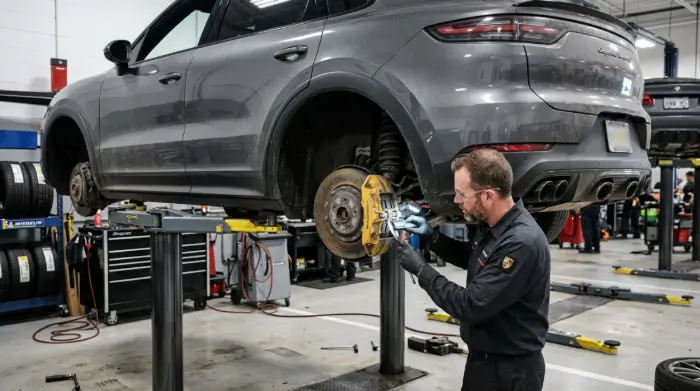
The extra load creates more heat and friction during braking. Over time, this can make the pad material wear down faster. This is one reason owners may need brake pad replacement in Dubai sooner than expected, especially if the SUV is used every day in busy traffic.
2. Powerful Engines Encourage Faster Driving
Performance SUVs are built with powerful engines that can produce strong acceleration. Drivers may enjoy quick starts and higher speeds because the vehicle can reach them with little effort. However, higher speed also means the brakes must work harder when the vehicle needs to slow down.
Braking from a high speed creates more heat than braking gently at a lower speed. Repeated hard stops can slowly reduce the life of the brake pads.
The powerful engine itself does not directly damage the pads, but the driving style that often comes with a high-performance SUV can increase brake wear.
3. Frequent Hard Braking Creates More Heat
Brake pads work through friction. When they touch the brake discs, friction turns the vehicle’s movement into heat. Light braking produces a manageable amount of heat, but repeated hard braking can raise temperatures quickly.
Performance SUV drivers may brake hard when dealing with sudden traffic, fast corners, or quick changes in road speed. If this happens often, the pads can lose material faster.
Very high heat may also affect the brake discs and other parts. Smooth braking gives the system more time to control heat and can help extend the useful life of the pads.
4. Stop-and-Go Traffic Keeps Brakes Working
City traffic is another major reason for faster brake pad wear. In heavy traffic, drivers may accelerate for a short distance and then stop again. This cycle can continue for long periods, especially during busy morning and evening hours.
A performance SUV may spend much of its journey using the brakes instead of moving at a steady speed. Every stop adds some wear to the pad material.
Traffic jams also give the brakes less time to cool between stops. Drivers who regularly travel through crowded roads should pay attention to changes in braking feel and have the system checked when needed.
5. Large Wheels and Performance Tires Can Add Brake Stress
Many performance SUVs come with large wheels and wide performance tires. These parts can improve road grip, handling, and stability, but they can also affect how the braking system works.
Larger wheels often come with heavier tire and wheel combinations, adding some extra rotating weight. Performance tires also provide strong grip on the road. This can be useful during fast driving, but the brakes still need to manage the SUV’s speed and weight.
The exact effect depends on the vehicle design and brake setup. Using the correct tire size and keeping tires properly inflated can help the entire braking system work as intended.
6. Driving Downhill Can Increase Brake Use
Long downhill roads can place extra pressure on brake pads. Gravity naturally causes the SUV to gain speed while moving downhill, so the driver may need to use the brakes more often.
Holding the brake pedal for a long time can create a lot of heat. Instead of keeping constant pressure on the pedal, drivers should use the vehicle’s lower gears or engine braking when suitable.
This reduces the amount of work done by the friction brakes. On long downhill routes, taking short breaks when safe can also give the brakes time to cool. A hot brake system can wear pads much faster.
7. Heavy Loads Put More Pressure on the Brakes
A performance SUV is often used for family trips, luggage, shopping, or carrying several passengers. Adding weight means the braking system has to slow down a heavier vehicle. This can increase the force needed during each stop.
The effect becomes more noticeable when the SUV is driven at higher speeds or through busy roads. Drivers should avoid carrying loads beyond the vehicle’s recommended limit.
Extra weight can also affect handling and stopping distance. Keeping the SUV within its proper load range helps reduce unnecessary stress on the brakes and other safety parts.
8. Hot Weather Can Raise Brake Temperatures
High temperatures can make brake heat harder to control. This is especially important in places such as Dubai, where summer road temperatures can become very high. Brake pads already create heat through friction, and hot outside conditions can make cooling more difficult.
Repeated braking in heavy traffic can raise temperatures even further. When brakes stay hot for long periods, pad material may wear more quickly.
Extreme heat can also affect brake fluid and other components if maintenance is ignored. Drivers should pay attention to burning smells, unusual sounds, or changes in pedal feel after heavy braking.
Driving Habits Have a Big Effect on Brake Life
Two drivers can use the same SUV and get very different brake pad life. One may brake smoothly and keep a safe distance from traffic, while another may accelerate hard and brake suddenly. The second driving style puts much more stress on the braking system.
Smooth driving can reduce unnecessary braking. Looking ahead allows drivers to slow down earlier instead of making sudden stops. Keeping a safe distance from the vehicle ahead also gives more room to reduce speed gradually. These simple habits can reduce heat and friction while making driving more comfortable.
Avoid Unnecessary Hard Stops
Hard braking should mainly be used when there is a real need to stop quickly. Constant sharp braking can create high temperatures and increase pad wear. Drivers should try to maintain a steady speed when road conditions allow it.
Keep a Safe Following Distance
A proper gap gives the driver more time to slow down. This reduces the need for sudden braking in normal traffic. It can also make city driving less stressful while helping the brakes last longer.
Warning Signs That Brake Pads Need Attention
Brake pads usually give drivers several signs when they are becoming worn. A high-pitched squeal can come from a wear indicator fitted to some brake pads. Grinding sounds may be more serious and can mean the pad material is badly worn.
Drivers may also notice a longer stopping distance, vibration, or a brake pedal that feels different. Some vehicles have electronic warning messages when pad wear reaches a certain level.
These signs should not be ignored. Continuing to drive with worn pads can allow damage to the brake discs and may increase repair costs.
Choosing the Right Brake Pads Matters
Not every brake pad is suitable for every performance SUV. Brake pads are designed for specific vehicle weights, brake systems, temperatures, and driving conditions. Using the wrong type can affect braking performance and wear rates.
Drivers should choose pads that meet the vehicle maker’s specifications. Some performance SUVs may use pads designed to handle higher temperatures and stronger braking demands.
It is also important to replace pads correctly and inspect the brake discs at the same time. Good-quality parts and proper installation can help the braking system work safely and consistently.
Brake Pads Should Not Be Judged by Mileage Alone
Many drivers expect brake pads to last for a fixed number of kilometres. In reality, brake life can vary greatly. A vehicle used mainly on highways may experience less brake wear than the same SUV driven daily through crowded city roads.
Driving style, vehicle weight, traffic, road conditions, brake design, and climate all affect pad life. For this reason, mileage should be treated as a general guide rather than a guarantee.
A physical inspection gives a much better idea of remaining pad material and overall brake condition.
Conclusion
Performance SUVs can wear brake pads faster than expected because they are heavy, powerful, and often driven in conditions that create high heat and friction.
Hard braking, stop-and-go traffic, large wheels, downhill driving, heavy loads, and hot weather can all add to brake wear. Drivers should not wait for serious braking problems before checking the system.
Regular inspections, smooth driving, correct brake parts, and timely brake pad replacement can help maintain safe braking performance.
Paying attention to warning sounds, changes in pedal feel, and stopping performance can also prevent small brake issues from becoming costly repairs.