

Dubai traffic can be hard on a car. Long periods of slow driving, frequent stops, high temperatures, and constant use of the air conditioner can put extra pressure on many vehicle parts.
The most common car problems in busy Dubai traffic include overheating, battery failure, brake wear, transmission issues, weak air conditioning, tire problems, and engine stress. Stop-and-go driving can also increase wear on the cooling system, suspension, and electrical parts.
Knowing these common problems can help drivers spot early signs and arrange repairs before a small issue turns into a major breakdown.
Common Car Problems Caused by Heavy Dubai Traffic
Dubai’s roads can become very busy during peak hours, especially when drivers spend a long time moving slowly or waiting at signals. Drivers should pay attention to changes in temperature, braking, shifting, starting, and air conditioning because these can be early signs of trouble.
1. Engine Overheating
Heavy traffic can make it harder for a vehicle to control engine temperature. When a car moves slowly, there is less natural airflow through the radiator compared with driving at higher speeds. The cooling fan must work harder to move air and keep the engine at a safe temperature.
A low coolant level, damaged radiator, weak water pump, or faulty fan can make the situation worse. Drivers should watch the temperature gauge and take warning lights seriously.
If the engine begins to overheat, continuing to drive can cause expensive damage to important engine parts.
2. Battery Failure
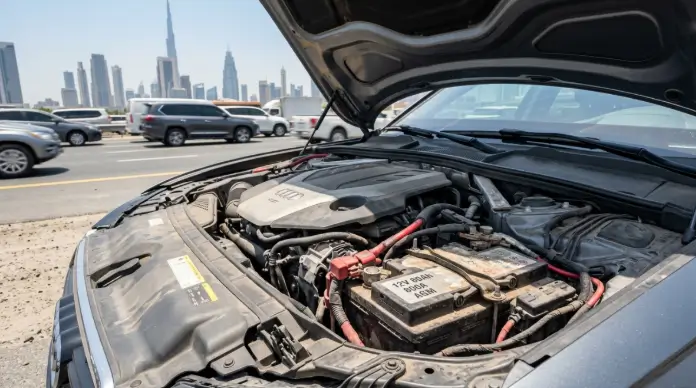
Car batteries can face extra stress in Dubai because of the hot climate and heavy use of electrical systems. Long traffic waits often mean drivers keep the air conditioner, lights, infotainment system, and other electrical features running.
As a battery gets older, it may struggle to provide enough power when starting the engine. Signs of a weak battery include slow starting, dim lights, clicking sounds, or electrical problems.
Regular battery testing can help drivers know when the battery is becoming weak. Replacing an aging battery before it fails can prevent an unexpected stop in traffic.
3. Brake Wear
Frequent braking is one of the main problems caused by stop-and-go traffic. Drivers may need to brake repeatedly when moving through crowded roads, signals, junctions, and slow-moving areas.
This creates more heat and wear on brake pads and discs. Over time, drivers may notice squealing, grinding, vibration, or a change in how the brake pedal feels. Ignoring these signs can allow a worn brake pad to damage other parts of the braking system.
Regular brake checks are especially useful for vehicles that spend several hours each week in heavy traffic.
4. Transmission Problems
A transmission works harder when a vehicle repeatedly moves, stops, and changes speed. Automatic and dual-clutch transmissions can experience extra heat during long periods of slow driving.
Old or low transmission fluid can make the problem worse because the fluid helps lubricate and cool internal parts. Drivers should watch for delayed gear changes, jerking, slipping, unusual sounds, or hesitation when moving from a stop.
These signs should be checked early. A small transmission fault may be easier and less costly to fix than a problem that has been allowed to damage internal components.
5. Air Conditioning Problems
Air conditioning is not just a comfort feature in Dubai. It is important for staying comfortable and focused while driving. In heavy traffic, the system may run for long periods while the vehicle is moving slowly or standing still.
This places more demand on the compressor, condenser, cooling fans, and other parts. Weak cooling, strange smells, unusual noises, or warm air from the vents can indicate a problem.
Low refrigerant, a dirty condenser, a weak compressor, or an electrical fault may be responsible. Early inspection can help restore cooling before the system stops working completely.
6. Tire Wear and Pressure Problems
Tires can experience significant stress from hot roads, long journeys, and repeated speed changes. Incorrect tire pressure can increase wear and affect handling. Underinflated tires can also create more rolling resistance and heat, while overinflation can reduce grip and make the ride less comfortable.
Uneven wear may point to poor wheel alignment or suspension problems. Drivers should check tire pressure regularly and inspect the tread and sidewalls for damage.
This is especially important before long trips because a worn or damaged tire can become a serious problem when driving at higher speeds.
7. Suspension Wear
Busy roads do not always have perfect surfaces, and repeated driving over speed bumps, uneven areas, and road joints can affect suspension parts. Components such as shock absorbers, control arms, bushings, and ball joints can wear over time.
Drivers may notice knocking sounds, excessive bouncing, uneven tire wear, or a vehicle that feels less stable than before. Heavy traffic itself may not directly damage the suspension, but frequent low-speed movement over road imperfections adds to normal wear.
Checking these parts when handling changes can help prevent further damage and improve driving comfort.
8. Engine Oil Problems
Stop-and-go driving can place more demand on an engine than steady driving because the vehicle spends more time idling and repeatedly accelerating. Engine oil becomes important in protecting moving parts and helping control heat.
If the oil level is low or the oil is too old, the engine may not receive the protection it needs. Drivers should follow the recommended oil change schedule and check the level when required.
Oil leaks should also be taken seriously. A small leak can slowly lower the oil level and eventually lead to serious engine damage.
9. Alternator and Electrical Issues
The alternator keeps the battery charged while the engine is running and supplies power to many electrical systems. Heavy traffic can mean long periods of air conditioner use, lighting, fans, screens, and other equipment.
If the alternator is weak, the battery may not receive enough charge. Drivers may notice a battery warning light, dim headlights, flickering lights, or difficulty starting the vehicle after a long drive.
Electrical faults can also come from damaged wiring, loose connections, or failing fuses. Finding these problems early can prevent the vehicle from losing electrical power while on the road.
10. Engine and Cabin Air Filters
Traffic exposes vehicles to dust, dirt, and other particles that can affect air filters. A dirty engine air filter can reduce the amount of clean air reaching the engine, which may affect performance and fuel use.
A blocked cabin air filter can also reduce airflow from the air conditioning system and make the cabin feel less comfortable. Drivers may notice weak air from the vents, unusual smells, or reduced engine response.
Replacing filters according to the vehicle’s service needs is a simple maintenance task that can help keep both the engine and cabin systems working properly.
11. Fuel System Problems
Slow traffic and frequent acceleration can increase fuel use, especially when a vehicle spends long periods idling. Fuel system problems may become more noticeable when the engine is under repeated load.
A weak fuel pump, blocked filter, dirty injector, or fuel pressure problem can cause hesitation, poor acceleration, hard starting, or stalling. Drivers should not ignore repeated changes in engine response.
A fuel system check can help identify the problem before the vehicle stops unexpectedly. Keeping the fuel system maintained is particularly useful for cars that are driven every day through busy city roads.
How Drivers Can Reduce Traffic-Related Car Problems
Good maintenance can reduce the stress caused by heavy traffic. Drivers should check engine oil, coolant, tire pressure, battery condition, and other important parts at regular intervals. Brake pads and transmission fluid should also be inspected according to the vehicle maker’s service schedule.
Keeping the radiator and condenser clean can help the cooling and air conditioning systems work properly. If you notice a warning sign, getting professional car repair in Al Quoz from 800Sayara can help identify the issue before it becomes more serious. Early service is often easier than dealing with a sudden breakdown during peak traffic.
Final Thoughts
Busy Dubai traffic can place extra pressure on many parts of a car. Overheating, battery failure, brake wear, transmission trouble, air conditioning faults, tire problems, suspension wear, oil issues, electrical faults, and fuel system problems are all worth watching.
Drivers can reduce the risk of expensive repairs by checking their vehicles regularly and acting when something feels different. A small warning should never be treated as normal. Early attention can protect important parts, improve safety, and help your car handle daily Dubai traffic with fewer problems.