


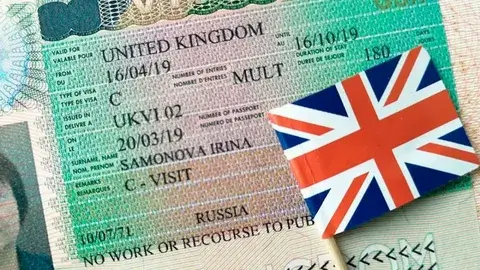
Every year, a large share of Dubai’s expat population applies for a UK visitor visa, whether it’s for a summer holiday, a family wedding, visiting relatives who studied or settled in Britain, or simply a stopover en route to Europe. Yet the process still confuses a lot of first time applicants, mostly because the UK’s requirements are stricter about documentation than many people expect, and because your eligibility route depends entirely on your passport nationality rather than your UAE residency.
This guide breaks down who needs a visa, what the application actually involves, how long it takes, and where people commonly get tripped up.
Do You Actually Need a Visa?
UAE nationals do not need a visa to visit the UK for short stays. However, the vast majority of Dubai’s residents (Indian, Pakistani, Filipino, Egyptian, Nigerian, and many other nationalities) do need a UK Standard Visitor visa regardless of how long they’ve lived in the Emirates. Your UAE residence visa has no bearing on UK visa requirements; what matters is the passport you hold.
If you’re unsure which category applies to you, the UK government’s own eligibility checker is the first stop, but as a general rule: if your passport nationality isn’t on the UK’s visa-exempt list, you’ll need to apply in advance through the standard visitor visa route.
What the Standard Visitor Visa Covers
The UK Standard Visitor visa allows stays of up to six months and covers tourism, visiting family and friends, short business trips, and academic visits. It does not permit work, and it’s typically issued for six months, though longer validity options (two, five, or ten years) exist for frequent travellers who can demonstrate a consistent travel history.
For most first time Dubai based applicants, the standard six month visitor visa is the right category.
Documents You’ll Need
| Document | Notes |
| Valid passport | With at least one blank page and validity covering your trip |
| UAE residence visa and Emirates ID | Copies of both sides |
| Bank statements | Usually the last 3 to 6 months, showing stable finances |
| Salary certificate or employment letter | Or trade license and income proof if self employed |
| Proof of accommodation | Hotel booking or invitation letter from a UK host |
| Travel itinerary | Flight booking (not necessarily ticketed) and a day by day plan |
| Ties to the UAE | Tenancy contract, utility bills, or other proof you intend to return |
That last row is where a surprising number of applications run into trouble. UK caseworkers are specifically assessing whether you intend to leave the UK at the end of your visit, so weak evidence of ties back to Dubai (no stable job, a very short residency history, or no fixed address) can lead to refusal even when finances look fine.
Step by Step Application Process
- Complete the online application form on the official UK government visa website. Pay the visa fee online, which varies depending on visa length.
- Book a biometric appointment at a UK visa application centre in the UAE. Dubai, Abu Dhabi, and Sharjah all have visa centres.
- Attend your appointment to submit fingerprints and a photo, along with your supporting documents.
- Wait for processing. Standard processing time is around 15 to 20 working days, though priority and super priority services exist for an extra fee if you need a faster decision.
- Collect your passport once the decision is made, either in person or via courier depending on the service you selected.
How Long It Actually Takes
The official 15 to 20 working day estimate is realistic during normal periods, but processing can stretch during peak season (roughly May through August, and again around the winter holidays) when application volumes spike across UAE visa centres. If your travel dates are fixed, such as a wedding or a non-refundable trip, it’s worth paying for priority processing (typically 5 working days) or super priority (next day, where available) rather than risking a standard timeline that runs long.
Common Reasons for Refusal
The UK Home Office publishes general refusal categories, and a few show up repeatedly among applicants from the UAE:
Insufficient evidence of funds, particularly when bank statements show large, unexplained deposits shortly before the application. Weak ties to the UAE, especially for applicants who have only recently arrived or who are on a short term contract. Inconsistencies between the stated purpose of travel and supporting documents, for example listing tourism but including an itinerary that reads like a business trip. Incomplete or unclear invitation letters from UK based hosts, which should include the host’s status in the UK, their relationship to the applicant, and how long they’re offering accommodation.
FAQ
Can I apply for a UK visa without leaving the UAE?
Yes. The entire process, including biometrics, is handled at UK visa application centres within the UAE.
Do children need a separate visa application?
Yes, every traveller, including infants, needs an individual visa application, though a parent or guardian completes the form on their behalf.
Can I extend a UK visitor visa once I’m there?
Generally no. Standard visitor visas are not designed to be extended from within the UK except in very limited circumstances, so plan your stay within the visa’s granted duration.
Does a UK visa refusal affect future applications?
A previous refusal doesn’t automatically block future applications, but it must be declared, and the reasons for the earlier refusal should ideally be addressed with stronger documentation the second time around.
Getting It Right the First Time
Given how much weight UK caseworkers place on financial evidence and ties to the UAE, a lot of Dubai residents choose to go through a licensed visa agency rather than assembling the file solo, particularly for a uk visa from dubai when travel dates are fixed and a refusal would mean missing an event entirely. Oki Doki, licensed under Dubai Department of Economy and Tourism license 72623, holds a 5.0 rating on Google with a 98% approval rate on tourist visa applications, and reviews documentation before submission to catch the kind of gaps that lead to refusals. For anyone applying for the first time, or reapplying after a previous refusal, that extra check is often the difference between a smooth process and a stressful one.
Multiple Entry Visas: Worth Considering If You Travel Often
If this isn’t your first trip to the UK, or you already know you’ll be back within a couple of years (visiting a child at university, a partner working there, or simply a place you return to regularly), it’s worth applying for a longer validity visa rather than the standard six month single application. The two, five, and ten year visitor visas cost more upfront but remove the hassle of reapplying, biometrics included, every time you plan a trip. Approval for these longer categories tends to hinge on demonstrating a consistent travel history and stable ties to the UAE, so they suit established residents more than first time applicants.
What Happens After You Land
A UK Standard Visitor visa is generally checked once at the border, and border officers do have discretion to ask further questions about your visit, even with a valid visa in hand. Carrying printed copies of your itinerary, accommodation confirmation, and return flight details, in addition to what’s already digital on your phone, is a small habit that avoids unnecessary delays at immigration control, particularly during busy arrival periods at Heathrow or Gatwick.
Final Thoughts
The UK visitor visa process from Dubai is straightforward on paper but unforgiving of weak documentation. Give yourself several weeks of buffer before your travel dates, be thorough with proof of both your finances and your intention to return, and don’t underestimate how much a clean, well organized application improves your odds.
This article is for informational purposes only and does not constitute legal or immigration advice. Visa requirements change frequently; always verify current rules with the relevant embassy or consulate before applying.
Must Visit: Al Jafiliya Immigration Office 2026– Visa, Emirates ID & More