

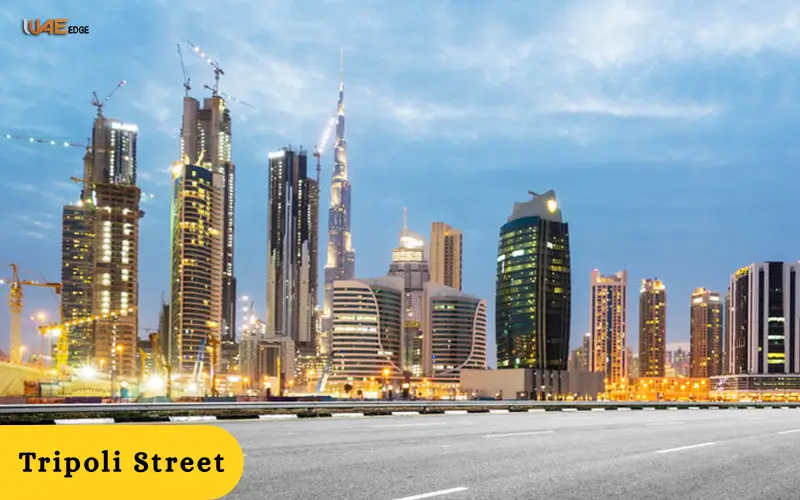
Tripoli Street in Dubai is one of the roads that people frequently use but don’t often think deeply about. This major arterial road, officially known as D83 connects residential areas, industrial zones and important highways. Tripoli Street makes it easier to commute between the eastern and northern parts of Dubai.
Why is Tripoli Street so important?
Tripoli Street is a key part of Dubai’s transport network. Tripoli Street is less glamorous but just as important in moving goods and people efficiently between residential and industrial zones.
The system is used by thousands of commuters every day, as well as logistics firms, delivery services and residents for essential travel, work and education. The design of the system is based on functionality, connectivity, and capacity rather than aesthetics.
Overview
| Feature | Details |
| Official Road Number | D83 |
| City | Dubai |
| Road Type | Major arterial road |
| Main Function | Residential, commercial, and industrial connectivity |
| Traffic Volume | Moderate to heavy (peak hours) |
This overview alone shows why Tripoli Street is considered a backbone route rather than a secondary road.
Route and Connectivity Explained Simply
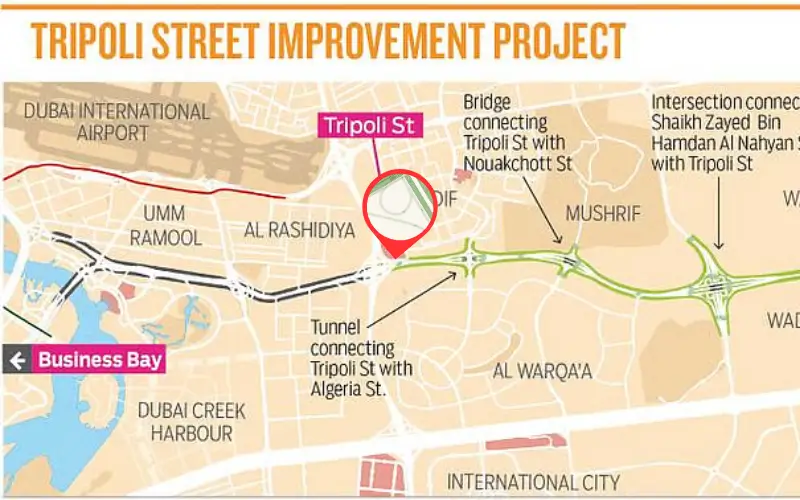
Tripoli Street connects two major highways, making it an essential feeder route for vehicles entering and exiting Dubai.
| Connected Roads | Importance |
| Al Awir Road (E44) | Access to central and eastern Dubai |
| Emirates Road (E611) | Regional connectivity to Sharjah and other emirates |
Because of this connection, Tripoli Street absorbs traffic that would otherwise overload inner-city routes.
Areas and Communities Along Tripoli Street
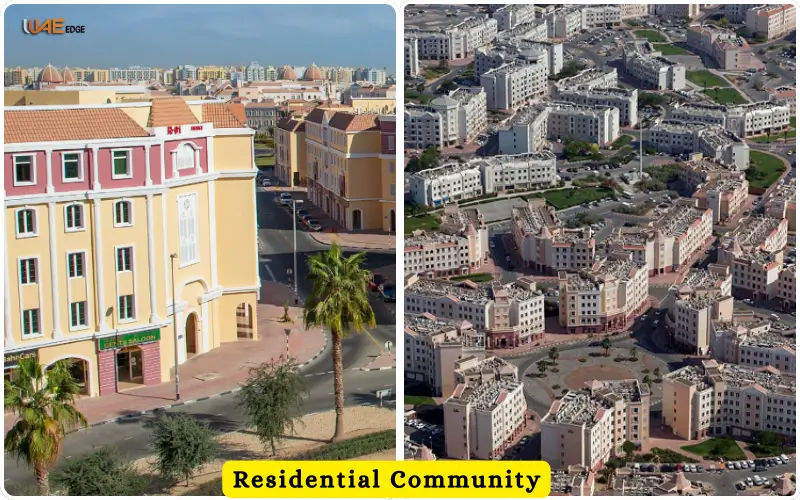
One of the strongest advantages of Tripoli Street is the diversity of areas it serves. These include residential neighborhoods, trading hubs, and industrial zones.
| Area | Type | Why It Matters |
| International City | Residential | High population density, affordable housing |
| Al Warqa | Residential | Family-oriented villas and schools |
| Ras Al Khor | Industrial | Warehouses, workshops, logistics |
| Warsan | Mixed-use | Residential and utility zones |
| Dragon Mart | Commercial | Major regional trading hub |
This mix makes Tripoli Street active throughout the day, not just during office hours.
Also Visit: Salama Alabbar Emirati Entrepreneur in Luxury Fashion and E-commerce
Everyday Commuting Experience
Tripoli Street is a good choice for commuters who want to balance traffic volume with reliability. Evening and morning rush hour traffic is heavy, particularly near International City or Dragon Mart. However, the wide lanes, controlled intersections and well-maintained roads make it manageable.
Tripoli Street is less affected by sudden traffic slowdowns or frequent signal stops than central Dubai streets. Its predictability is a big draw for residents who travel daily to the business district or industrial zone.
Traffic Flow and Road Design
Tripoli Street was built to handle consistent traffic rather than occasional surges. Its infrastructure supports both light vehicles and heavy trucks.
| Infrastructure Feature | Benefit |
| Multiple lanes | Reduces bottlenecks |
| Wide shoulders | Improves safety |
| Clear signage | Easier navigation |
| Highway-style exits | Faster merging and exits |
These design elements contribute to smoother travel even during peak periods.
Role in Commercial and Industrial Transport
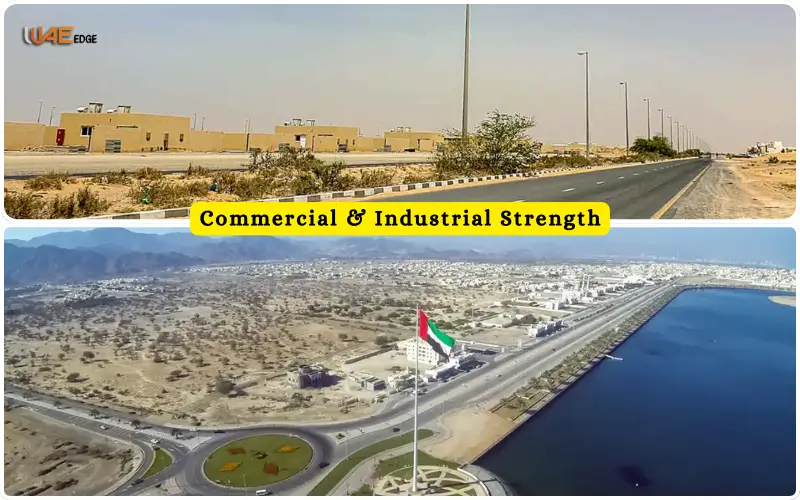
Tripoli Street is essential for Dubai’s supply chain. Ras Al Khor Industrial Area depends on it for moving goods to warehouses, retail hubs, and ports.
Dragon Mart, which attracts traders from across the region, generates constant movement of delivery trucks and private vehicles. Tripoli Street enables this activity without forcing heavy vehicles through residential-only roads.
| Sector | How Tripoli Street Supports It |
| Logistics | Fast access to highways |
| Retail trade | Smooth delivery routes |
| Industrial services | Reliable heavy-vehicle access |
| Small businesses | Easy customer and supplier travel |
Public Transport and Accessibility
Although primarily designed for vehicles, Tripoli Street remains accessible for public transport users. Several RTA bus routes operate in nearby areas, linking residents to metro stations and commercial districts.
Taxis and ride-hailing services prefer Tripoli Street due to its consistent traffic flow and fewer delays compared to inner-city routes.
Living Near Tripoli Street: Lifestyle Impact
Living near Tripoli Street offers convenience rather than luxury. Residents benefit from shorter travel times, better access to services, and flexible commuting options.
| Lifestyle Factor | Advantage |
| Work commute | Reduced travel time |
| Shopping access | Close to Dragon Mart and retail zones |
| Education | Easy access to schools in Al Warqa |
| Healthcare | Faster travel to clinics and hospitals |
Despite being close to a major road, residential areas are generally well-planned with internal streets that minimize noise and congestion.
Future Development and Long-term Value
Tripoli Street, for example, is becoming more valuable as Dubai expands outward. As new housing developments and business zones grow, traffic demands increase. This makes arterial roads vital for sustainable growth.
Tripoli Street will be further enhanced by infrastructure upgrades, better interchanges and improved traffic management systems, which should ensure that it is relevant for many decades.
Safety, Maintenance, and Driving Conditions
Tripoli Street is regularly monitored and maintained by Dubai Authorities. Safety is improved by speed cameras, clear markings of lanes, and bright lighting.
It is easier to handle incidents with emergency access points and service routes, without traffic being disrupted for long periods.
Tripoli Street Deserves more Recognition
Tripoli Street may not have the most spectacular views or be surrounded by luxury landmarks. But its real value is in its reliability. The street supports business, daily operations and urban growth quietly and efficiently.
Tripoli Street, for residents and professionals who depend on it daily, is more than just a street. It is an essential road to keep life running smoothly.
Final summary
Tripoli Street is not famous but essential to Dubai’s infrastructure. It keeps Dubai running efficiently by connecting residential areas, industrial hubs, and major highways. Understanding Tripoli Street will help you understand how important this road is to Dubai, whether you’re a resident or an entrepreneur.
Also Visit: Sharjah Graveyards Complete Guide 2026 Burial Practices and Culture
FAQs
Is Tripoli Street the same as Dubai’s D83?
Dubai’s Road Authority has officially named Tripoli Street as D83.
What areas is Tripoli Street connected to?
This road connects International City with Al Warqa and Ras Al Khor. It also links Al Awir Road to Emirates Road.
Is Tripoli Street usually congested?
Although traffic is heavy at peak times, particularly near commercial areas, it flows more smoothly than most central roads.
Is Tripoli Street suitable for everyday commuters?
It is used daily by commuters because of its highway connection and constant traffic flow.
Do you have any residential areas around Tripoli Street, or is it all commercial?
Yes, International City or Al Warqa is a major community located near a road.
Is public transport available on Tripoli Street?
There are multiple routes that serve the area along Tripoli Street. These provide access to nearby districts and metro stations.