


Infertility affects millions of couples worldwide, and many people today turn to In Vitro Fertilization (IVF) to achieve their dream of parenthood. While IVF has helped countless families welcome healthy babies, success rates can vary from one person to another. Understanding the factors that influence IVF outcomes can help intended parents make informed decisions and set realistic expectations.
Many couples seeking treatment at an IVF Clinic in UAE, such as Best Life Fertility Center, often ask the same question: “What determines whether IVF will work?” The answer is not always simple. Several medical, lifestyle, and treatment-related factors can affect the chances of success.
Understanding IVF Success Rates
Before discussing the factors, it is important to understand what IVF success rates mean. Generally, IVF success is measured by the likelihood of achieving a pregnancy that results in a child birth.
Success rates vary depending on individual circumstances. For example, younger women typically experience higher success rates than older women. Additionally, the quality of embryos, reproductive health, and the expertise of the fertility team all contribute to treatment outcomes.
Therefore, patients should focus on their individual fertility profile rather than comparing their journey with others.
1. Age of the Woman
Age is one of the most significant factors affecting IVF success. As women grow older, both the number and quality of eggs decline naturally. Consequently, the chances of fertilization, implantation, and healthy pregnancy decrease.
Women under the age of 35 generally have higher IVF success rates because their eggs tend to be healthier. On the other hand, women over 40 may experience lower success rates due to age-related changes in egg quality.
Although age cannot be changed, fertility specialists can recommend suitable treatment strategies based on a patient’s reproductive health. This is why consulting the Fertility Doctor in Dubai can help individuals understand their options and create a personalized treatment plan.
How Age Impacts IVF
- Egg quantity decreases over time.
- Egg quality declines with age.
- Risk of chromosomal abnormalities increases.
- Implantation rates become lower.
- Miscarriage risk may increase.
Early fertility evaluation can help patients make timely decisions regarding treatment.
2. Egg Quality and Ovarian Reserve
Egg quality plays a major role in determining IVF success. Healthy eggs are more likely to fertilize successfully and develop into viable embryos.
Ovarian reserve refers to the number of eggs remaining in the ovaries. Doctors often assess ovarian reserve using blood tests and ultrasound examinations before beginning treatment.
Even younger women can experience reduced ovarian reserve. Therefore, fertility specialists evaluate both age and ovarian function when designing treatment protocols.
Signs of Reduced Ovarian Reserve
- Lower Anti-Müllerian Hormone (AMH) levels
- Reduced antral follicle count
- Poor response to fertility medications
- History of ovarian surgery
Patients receiving treatment at an established IVF Clinic In UAE often undergo comprehensive fertility assessments to evaluate ovarian health before starting IVF.
3. Sperm Quality
While much attention is often placed on female fertility, male fertility is equally important. In fact, male-related infertility factors contribute to a significant percentage of fertility challenges.
Sperm quality is evaluated based on:
- Sperm count
- Motility (movement)
- Morphology (shape)
- DNA integrity
Poor sperm quality can affect fertilization rates and embryo development. Fortunately, advanced fertility techniques such as Intracytoplasmic Sperm Injection (ICSI) can help overcome many male infertility issues.
Improving Sperm Health
Men can support fertility by:
- Avoiding smoking
- Limiting alcohol consumption
- Maintaining a healthy weight
- Managing stress
- Eating a balanced diet
- Exercising regularly
Lifestyle improvements may enhance sperm quality and contribute to better IVF outcomes.
4. Embryo Quality
Embryo quality is another critical factor influencing IVF success rates. After fertilization, embryologists carefully monitor embryo development before selecting embryos for transfer.
High-quality embryos have a better chance of implantation and successful pregnancy. Modern fertility centers often use advanced laboratory technologies to evaluate embryo growth and identify embryos with the highest potential.
Factors Affecting Embryo Quality
- Egg quality
- Sperm quality
- Laboratory conditions
- Genetic health of embryos
- Fertilization techniques
Some patients may also choose preimplantation genetic testing (PGT) when recommended by fertility specialists. This technology helps identify embryos with normal chromosome numbers, potentially improving success rates in selected cases.
Many patients seeking guidance from the best fertility doctor in dubai discuss embryo selection options to maximize their chances of success.
5. Uterine Health and Endometrial Receptivity
Even the healthiest embryo requires a receptive uterine environment for successful implantation. Therefore, uterine health plays a crucial role during IVF treatment.
Several conditions can affect implantation, including:
- Uterine fibroids
- Endometrial polyps
- Scar tissue
- Adenomyosis
- Congenital uterine abnormalities
Fertility specialists often perform imaging tests before embryo transfer to evaluate the uterus and address any issues that could interfere with implantation.
Importance of Endometrial Thickness
The endometrium, or uterine lining, must be adequately prepared for implantation. If the lining is too thin or not properly synchronized with embryo development, implantation may become more difficult.
Fortunately, personalized treatment approaches can help optimize endometrial receptivity and improve outcomes.
6. Lifestyle and Overall Health
Lifestyle choices have a direct impact on reproductive health and IVF success rates. While some fertility factors are beyond control, healthy habits can positively influence treatment outcomes.
Key Lifestyle Factors
Body Weight
Both underweight and overweight individuals may experience hormonal imbalances that affect fertility. Maintaining a healthy body mass index (BMI) can support reproductive function.
Nutrition
A balanced diet rich in fruits, vegetables, whole grains, lean proteins, and healthy fats can help support fertility. Nutrient-rich foods provide essential vitamins and minerals needed for reproductive health.
Smoking
Smoking has been linked to reduced egg quality, lower sperm quality, and decreased IVF success rates. Quitting smoking can significantly improve fertility outcomes.
Alcohol Consumption
Excessive alcohol intake may negatively affect fertility in both men and women. Many fertility specialists recommend limiting or avoiding alcohol during treatment.
Stress Management
Although stress alone does not cause infertility, chronic stress may impact overall well-being during treatment. Therefore, many patients benefit from relaxation techniques such as yoga, meditation, and counseling.
Patients attending an IVF Clinic In UAE are often encouraged to adopt healthy lifestyle habits before and during treatment to support reproductive health.
7. Experience of the Fertility Team and Clinic
The expertise of the fertility team can significantly influence IVF outcomes. Advanced technology, laboratory standards, individualized treatment planning, and clinical experience all contribute to success.
When choosing a fertility center, patients should consider factors such as:
- Experience of fertility specialists
- Laboratory quality standards
- Availability of advanced reproductive technologies
- Personalized patient care
- Comprehensive fertility evaluations
Leading fertility centers such as Best Life Fertility Center focus on providing evidence-based fertility treatments, advanced reproductive technologies, and personalized care plans designed to maximize each patient’s chances of success. Working with the best fertility doctor in Dubai can provide patients with access to specialized care, accurate diagnoses, and customized treatment strategies.
Questions to Ask Before Choosing a Clinic
- What fertility services are available?
- What technologies are used in the IVF laboratory?
- How is treatment personalized?
- What support services are offered?
- How are patients monitored throughout treatment?
Selecting a trusted fertility provider can make a meaningful difference throughout the IVF journey.
Additional Factors That May Influence IVF Success
While the seven factors discussed above are among the most important, several other variables may also affect outcomes.
Previous Pregnancy History
Patients who have previously achieved a successful pregnancy may experience higher success rates compared to those with repeated implantation failure.
Underlying Medical Conditions
Conditions such as:
- Polycystic Ovary Syndrome (PCOS)
- Endometriosis
- Thyroid disorders
- Autoimmune diseases
may impact fertility and require specialized management during treatment.
Number of IVF Cycles
Some patients may achieve pregnancy during their first cycle, while others may require multiple attempts. Each cycle provides valuable information that can help refine future treatment plans.
Tips to Improve IVF Success Rates
Although no treatment can guarantee pregnancy, patients can take proactive steps to support fertility.
Practical Recommendations
- Choose an experienced fertility specialist.
- Follow medication instructions carefully.
- Maintain a healthy weight.
- Eat a balanced and nutritious diet.
- Avoid smoking and excessive alcohol.
- Manage stress effectively.
- Attend all follow-up appointments.
- Discuss all medical conditions with your doctor.
Patients receiving care at reputable fertility centers such as Best Life Fertility Center often benefit from individualized guidance and treatment plans tailored to their unique fertility needs.
Conclusion
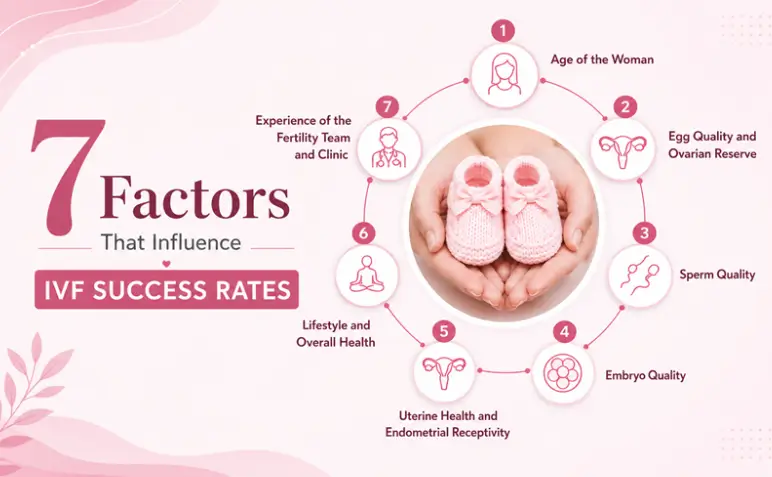
IVF success rates depend on a combination of factors, including age, egg quality, sperm health, embryo quality, uterine health, lifestyle habits, and the expertise of the fertility team. While some factors cannot be changed, many aspects of fertility can be improved through proper medical guidance and healthy lifestyle choices.
Understanding these factors empowers patients to make informed decisions and actively participate in their fertility journey. For individuals considering fertility treatment, consulting the best fertility doctor in Dubai and choosing a trusted IVF Clinic in UAE, such as Best Life Fertility Center, can provide valuable support, advanced treatment options, and personalized care throughout the process


