

Introduction to Baniyas Road
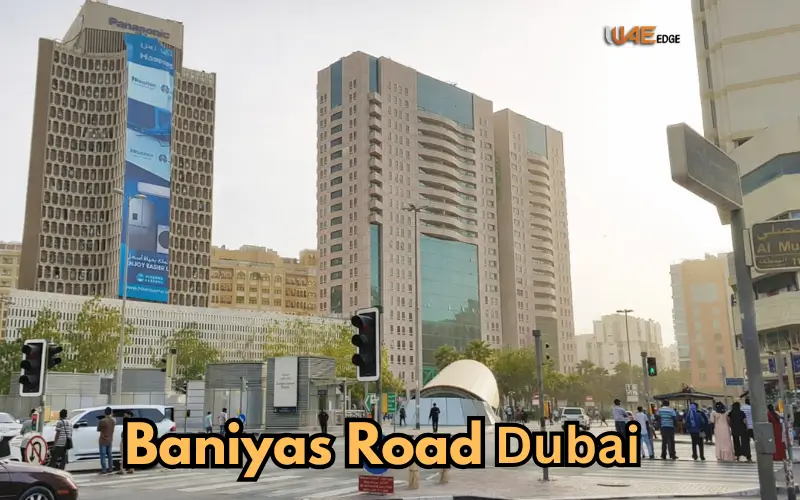
One of the most important roads in Dubai is known as the Baniyas Road, which passes through the central part of Deira and links various important residential, business, and historical areas. It also serves as a main artery for commuters, traders, tourists, and residents who use it on their daily travel, business activities, and for the availability of all the necessities. The development of Baniyas Road has been in keeping pace with the fast urbanization in Dubai, and it is one of the key transport systems in the city.
The road is not just a main local connecting road, but it is also connected with the historical and cultural importance. Baniyas Road is a road connecting the old section of Dubai, such as the traditional markets of Deira, with the contemporary infrastructure and urban developments. It is a commercial center, a transport center, and a walking center due to its strategic location.
Any person traveling to Dubai needs to know the route of Baniyas Road, its relations, and its importance. This road is also accessible to some of the oldest and most vibrant neighborhoods in Dubai; this can be reached by car, taxi, bus, or on foot.
Location
Where Baniyas Road Is Located
Baniyas Road lies in the Deira district of Dubai, and it runs parallel to the Dubai Creek. It runs out of the Al Rigga area by the Baniyas Square Metro Station and goes to Al Sabkha, giving access to residential and commercial locations. Other connecting streets and bridges have the road going toward Bur Dubai, connecting older areas to the rest of the city.
This is a strategic location because Baniyas Road can be used as a key east-west road that will promote the movement between different districts. It is also a feeder road to some of the main highways in the area, such as Sheikh Rashid Road and Al Maktoum Bridge, thus making the available distance to travel longer to other areas of Dubai and the other emirates.
Areas and Neighborhoods Connected
Baniyas Road connects several key regions within Dubai:
- Deira is a historic area famous for its markets, past office buildings, and commercial areas.
- Al Rigga: A bustling residential and commercial area that has retail and hotel establishments.
- Al Muraqqabat is famous for its small and boutique shops.
- Naif is a vibrant neighbourhod featuring markets and services for the community.
- Al Sabkha: Famous for the tradition of wholesale shopping and traditional retail.
- Bur Dubai (via connected streets) provides access to sites of heritage, including government offices, as well as tourist attractions.
Through connecting the neighborhoods, Baniyas Road provides essential access to homes, workplaces, hospitals, schools, and commercial centers.
Nearby Landmarks and Reference Points
Many landmarks and locations are situated along or close to Baniyas Road:
- Dubai Creek is an ancient waterway that is the basis of the old Dubai.
- Baniyas Square Metro Station: It provides direct Metro access to the Green Line.
- Al Maktoum Bridge: A crucial crossing point across Dubai Creek connecting Deira and Bur Dubai.
- Deira City Centre: A mall and leisure center that is accessible by nearby roads.
- Traditional Souks: Including Naif Souq, Gold Souk, and Spice Souk.
- Al Rigga Commercial Areas: The company offers hotels, offices, as well as retail and service.
These landmarks emphasize the importance of the road in the role of a transportation, commercial, as well as cultural route.
Historical Background of Baniyas Road
The history of Baniyas Road takes its origins in the early development of Dubai as a trading city. Previously, it was an important passageway between the ports and residential places, which were on the Creek-side. The road, also over time, became an urban street that was fully developed as a replication of the modernization of Dubai, and still allowed people to access the traditional markets and heritage sites.
In the past, the road has helped in the transportation of goods and people between the trading areas and the surrounding neighborhoods of Deira. It now has a mixture of both history and modern infrastructure that takes care of vehicles, buses, and pedestrians.
Road Structure and Design
Lane Configuration and Road Width
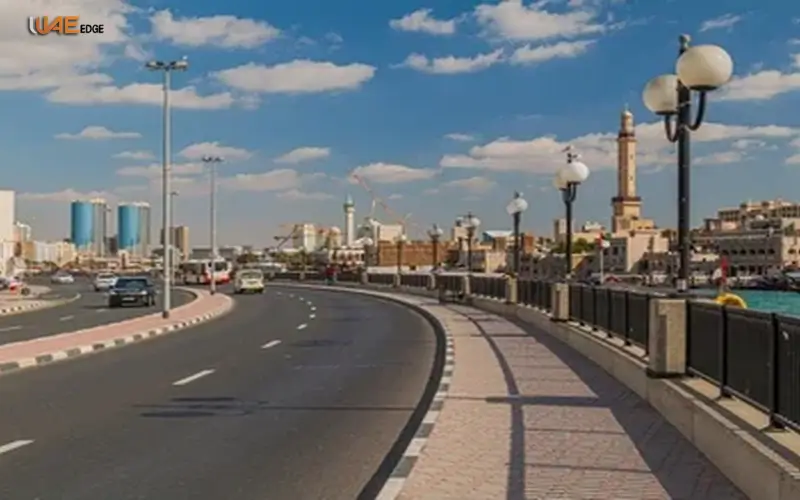
There are various lanes in each direction of Baniyas road and this enables free flow of traffic during peak hours. Tracking of vehicles is organized using lane markings, dividers and traffic lights. Its road is broad to allow the movement of small-weighted vehicles and the heavier means of transport, such as delivery trucks serving the local companies.
Intersections, Signals, and Crossings
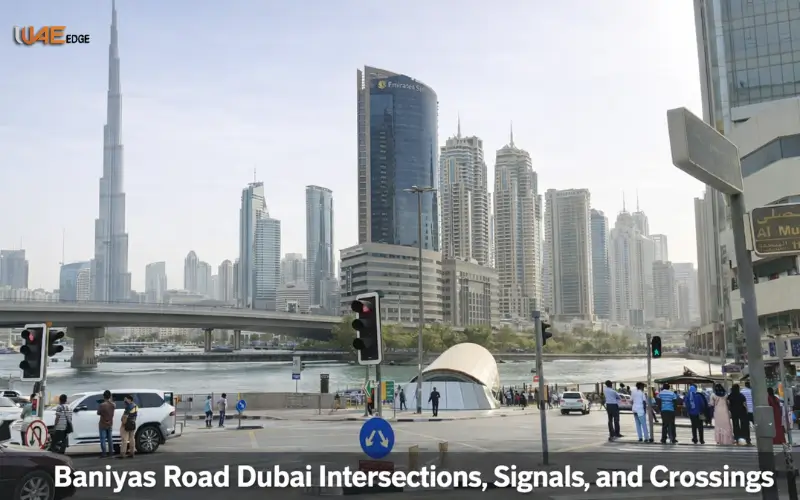
Major crossroads on Baniyas Road areas connected to Al Rigga, Al Sabkha and Naif neighborhoods. The crossings are marked with signs that manage traffic and pedestrian crossings provide safe traffic flow without accidents that can cause injuries among residents and other visitors.
Walkability and Pedestrian Infrastructure
Baniyas Road also promotes the use of pedestrians by providing them with sidewalks, foot pavements, and traffic lights throughout the road. Although most people are using the road by car, pedestrian infrastructure is also meant to support the flow of shoppers, tourists, and daily commuters.
Connectivity With Major Roads and Bridges
Connection to Al Maktoum Bridge
The Baniyas Road is directly connected to the Al Maktoum Bridge, which gives access to Bur Dubai across the Dubai Creek. This relationship enables the residents, workers, and tourists to commute effectively within Deira and the rest of the city.
Access to Sheikh Rashid Road
The Baniyas road has many connections to the Sheikh Rashid road, which is a major highway in Dubai. Such a connection allows traveling across the city more generally and spreading traffic across the streets and primary highways.
Nearby Alternative Routes
The parallel streets and cross streets offer alternative ways of commuting during the rush hours or road repairs. These options would help in the minimization of travel time and road congestion problems on the Baniyas Road.
Traffic Conditions on Baniyas Road
Peak Hours and Daily Patterns
The traffic is most congested in the morning (7:00 AM -10:00 AM) and evening (5:00 PM -8:00 PM) times. The morning is very busy because people are commuting to work or to school, and evening traffic is made up of the return traffic and deliveries to businesses.
Common Traffic Challenges
The congestion is also temporary due to the high vehicle density in intersections and commercial regions. Taxi, delivery trucks, and buses add to the slow traffic at peak times. Even with these difficulties, the flow of traffic is usually not affected because of the appropriate road construction and traffic light control.
Best Time to Travel
Going at low times of the day, afternoon, or early mornings or evenings are better times to travel without complications. Navigational applications are also used to avoid traffic congestion by offering real-time updates.
Speed Limits and Traffic Regulations
Posted Speed Limits
The road is urban speed limits with a range of 4060km/h/ depending on the section. There is a strict maintenance of limits by the use of cameras and the monitoring of traffic.
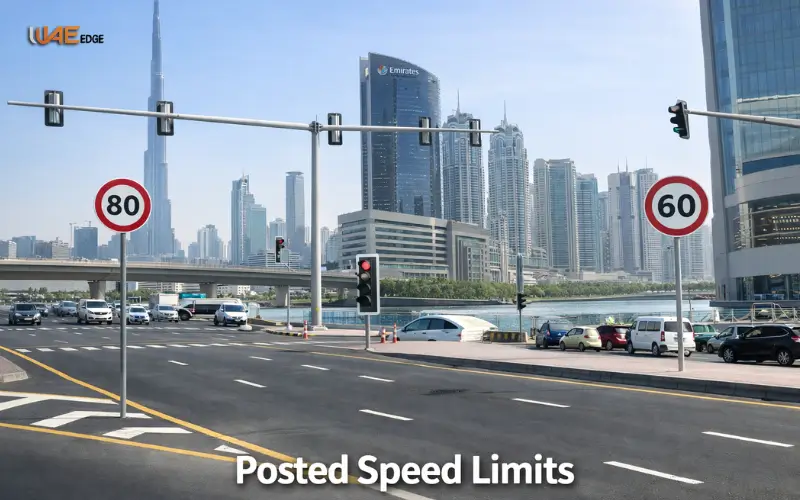
Traffic Monitoring and Enforcement
The use of CCTV cameras, smart traffic lights, and patrolling traffic police will ensure that safety is maintained and accidents are avoided. Drivers should go by the marks of the lanes, lights, and the places where the speed limits are posted.
Public Transportation Along Baniyas Road
RTA Bus Services
Some of the RTA buses serve or pass Baniyas Road, linking commuters to residential and commercial locations. Bus stops are accessible in strategic locations to the businesses, schools, and markets.
Nearby Metro Stations
- Baniyas Square Metro Station (Green Line) serves the central area of Deira and provides the ability to connect with Bur Dubai and other metro interchanges.
- Union Metro Station (Red and Green Line interchange): It provides greater access to the Dubai Mall, Dubai International Airport, and other important centers.
Taxi and Ride-Hailing Access
Taxis, ride-hailing, and taxi services such as Uber, as well as car and are easily accessible in Baniyas Road. They provide convenient last-mile connectivity for those who travel to destinations that aren’t directly accessible by bus or metro.
Commercial and Business Importance
Retail and Trading Areas
Baniyas Road is lined with traditional market shops, stores for sale, and small businesses. Local traders, wholesalers, and retailers rely on this route for their everyday deliveries and access for customers.
Offices and Corporate Presence
Numerous commercial and office structures are found on Baniyas Road and its surrounding streets. Companies benefit due to the roads’ connectivity and closeness to transportation hubs.
Impact on Local Economy
This road is an important source of commerce, trade, and job opportunities in the vicinity. Through connecting the Deira business district with industrial and residential zones, Baniyas Road contributes significantly to the Dubai economy.
Residential Communities Around Baniyas Road
Housing Types and Environment
The residential buildings that line Baniyas Road include apartments and multi-use constructions. They are also a thriving neighborhood with a mix of expatriates, long-term residents, and temporary employees.
Daily Life and Community Services
Residents can benefit from mosques, schools, hospitals, and supermarkets. The highway provides easy access to services of daily use and makes life easy for both professionals and families.
Tourism and Cultural Significance
Access to Traditional Markets
Baniyas Road provides easy access to the most renowned traditional markets. These include the Naif Souq, Gold Souk, and Spice Souk. Travelers often make use of the route to tour these ancient locations.
Proximity to Historic Areas
The road lies close to Dubai Creek and Al Fahidi Historic District and offers tourists a look at the past of Dubai. Museums, cultural sites, and heritage centers are easy to access by Baniyas Road.
Parking and Accessibility
Parking Availability
Street parking as well as paid parking areas are readily available on Baniyas Road. But, in peak times, there is a possibility of parking being restricted, which is why public transportation is usually easier.
Pedestrian Access and Safety
The presence of sidewalks, crosswalks, and pedestrian signalizations ensures secure mobility for visitors, shoppers, and commuters who walk daily.
Road Safety and Accident Management
High-Traffic and Risk Zones
The intersections near the markets and in areas that are close to them are prone to a higher density of traffic, and therefore, accidents are more likely. It is advised that drivers exercise caution in these areas.
Emergency Response and Traffic Control
Dubai traffic police react quickly to road and traffic incidents as well as accidents. Systems for managing traffic and emergency lanes guarantee speedy resolution of any disruptions.
Future Development and Road Improvements
Planned Upgrades by RTA
The Dubai Roads and Transport Authority plans enhancements on Baniyas Road, including road expansion, signal optimization, and pedestrian safety improvements.
Urban Renewal Around Baniyas Road
The ongoing urbanization process in Deira will improve the quality of structures and infrastructure, thereby improving the utility of the road for both business and residential use.
Travel Tips for Using Baniyas Road
- Plan your journey during the off-peak hours to ensure a more comfortable travel.
- Utilize navigation apps to get real-time updates on traffic.
- Opt to take the bus or metro in case parking spaces are limited.
- Make sure you follow road signs, signals, and speed limits for security.
- Be aware of intersections with traffic and markets.
Conclusion
Baniyas Road is a vital route in Dubai providing connectivity, trade, and access to culture. It connects the most prestigious residential areas with offices, markets, and heritage sites, while helping to facilitate daily travel and trade. The location of the strategic area close to Dubai Creek and integration with buses and metro lines make it vital for residents, visitors, and businesses.
As Dubai expands, Baniyas Road will remain vital for the flow of mobility as well as commerce and urban growth, mixing historic significance and modernization for the benefit of the city’s inhabitants as well as the economy.
Frequently Asked Questions
Where is Baniyas Road located?
It’s located situated in Deira, Dubai, running in the vicinity of Dubai Creek and connecting Al Rigga, Al Muraqqabat, Naif Al Sabkha, Naif, and Al Sabkha.
What areas do so Baniyas Road connect?
Baniyas Road links residential neighborhoods and market areas within Dubai and as Bur Dubai.
Is Ise Baniyas Road busy during peak times?
Yes, evening and morning peak hours are times of heavy traffic because of commuters, as well as delivery vehicles.
Do you know if Baniyas Road has public transportation?
Yes, it’s served by RTA buses. Nearby metro stations are Baniyas Square and Union Metro.
Are the streets of Baniyas Road safe for pedestrians?
Yes, crossing walks, sidewalks, and pedestrian signs allow pedestrians to walk more safely.
What are the most prominent iconic landmarks of Baniyas Road?
Dubai Creek, Al Maktoum Bridge, Baniyas Square, Naif Souq, and Al Rigga commercial zones.