

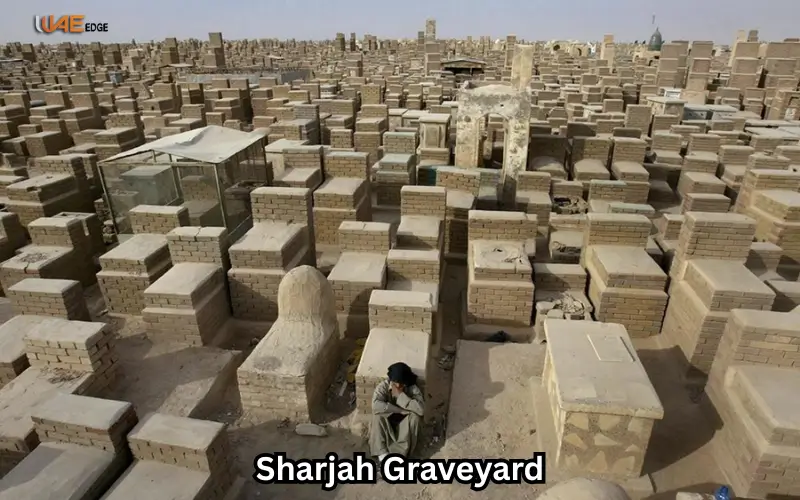
Sharjah cemeteries go beyond resting sites. They’re integral to Emirati customs, traditions, and even history. In the UAE, the cemeteries are a reflection of Islamic burial practices, Bedouin heritage, and social values. From old-fashioned sites to modern municipal graveyards, Sharjah has a wide range of funeral grounds that cater to visitors and residents alike.
This guide focuses on major graveyards, burial methods, and their significance to culture, visit rules, and Sharjah Municipality services. They provide an extensive resource to anyone looking for information about Sharjah’s cemetery.
Overview of Graveyards in Sharjah
Cemeteries located in Sharjah can be used for both private and public burial sites, which strictly follow Islamic practices. In Emirati society, the graveyards have significant religious and cultural importance and symbolize reverence for our ancestors as well as the family history.
- Public Graveyards: Managed by Sharjah Municipality and accessible to residents of all ages.
- Private Graveyards: This is reserved for specific communities or families.
- Funeral customs in Islam, Graves are aligned towards Mecca. Funerals are conducted according to the prayers of Janazah.
The graveyards in Sharjah are constructed to ensure safety, dignity, and traditions, which means that families and visitors can respectfully remember their loved ones.
History of Sharjah Graveyards
The graveyards in Sharjah date back centuries, and some ancient burial places are connected with Bedouin tribes. The traditional burial sites were simply monuments in the desert reflecting the modest lifestyle and religious beliefs of the earlier Emirati communities.
In the course of time, as the city expanded, ca ontemporary cemetery with a proper layout, as well as pathways and facilities were built. These cemeteries preserve the past of Sharjah and meet the needs of modern times.
Important historical details:
- In the early days, Bedouin burial rituals involved burials in deserts that were marked with stones.
- Cemeteries for the municipal population were established to help manage the increase in urban population.
- Certain graves are dedicated to famous Emirati individuals who have a connection from their past to the present.
Major Graveyards in Sharjah
Al Layyah Cemetery
- Location: Al Layyah, Sharjah
- Coordinates: 25.3800deg N, 55.4200deg E
- Description: The largest public graveyards are located in Sharjah, which serve the residents of the central regions.
Al Dhaid Cemetery
- Location: Al Dhaid, Sharjah
- Coordinates: 25.5600deg N, 55.9800deg E
- Description: Well-known for its clean graves, well-maintained, and the ease of access for families living nearby.
Industrial Area Cemetery
- Location: Sharjah Industrial Area
- Coordinates: 25.3500deg N, 55.4500deg E
- Description: Helps the people who work in the industrial zone and provides basic services to conduct burials.
Sharjah City Central Cemetery
- It is located close to the Sharjah city centre. This cemetery is a favorite among city dwellers, mixing tradition-based burial rituals and modern facilities.
Nearby landmarks include: Al Qasba, Sharjah Corniche, and The Sharjah Corniche and Al Qasba landmarks are nearby, as is Sharjah City Center. This makes these graveyards easy to find for visitors.
Must visit: New Sonapur Cemetery, Dubai, UAE – Location, Burial, Facilities, and Visiting Guide
Visiting Sharjah Graveyards
People who visit Sharjah graveyards are required to adhere to the rules of religion and culture:
- The hours of visitation are usually the hours are daylight hours; please check with the Sharjah Municipality.
- Dress Code: Moderate attire that respects Islamic practices.
- Quietly conduct yourself. Avoid photography, unless allowed,d as well as follow the prayer area respectfully.
- Tips: Don’t litter. Keep the area clean and tidy.
The graveyards are accessible to community members, families, as well as visitors who want to honor the deceased or find out more about the local history.
Burial Procedures in Sharjah
1. Preparation of the Deceased
The tradition of Sharjah, Islamic burial practices start with careful funeral preparation. The process includes a ritual wash known as Ghusl and the shrouding of the deceased with a basic white cloth known as Kafan. Kafan. These actions are crucial to make sure your body’s cleaned and treated with respect, and is ready to be buried in accordance with Islamic rituals. This ritual reflects faith and cultural respect for those who have passed away.
2. Janazah Prayer
The prayer of Janazah follows after the prayer of Janazah when the body is ready, and the body is buried. The prayer may be held in a mosque or within the burial place directly and is usually held by the family members, friends, and other members of the local community. Janazah prayer is a call to the forgiveness and mercy of the deceased, and they also support the family to mourn the dead. It is an important part of the funeral, which requires a spiritual unity and admiration.
3. Grave Placement
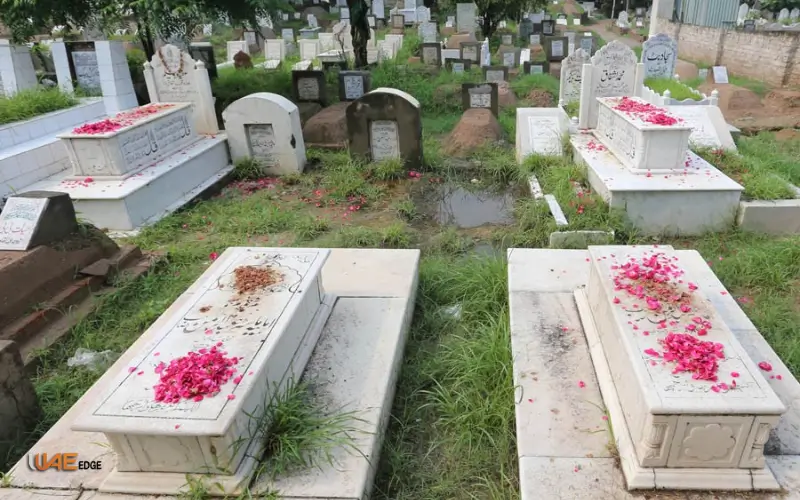
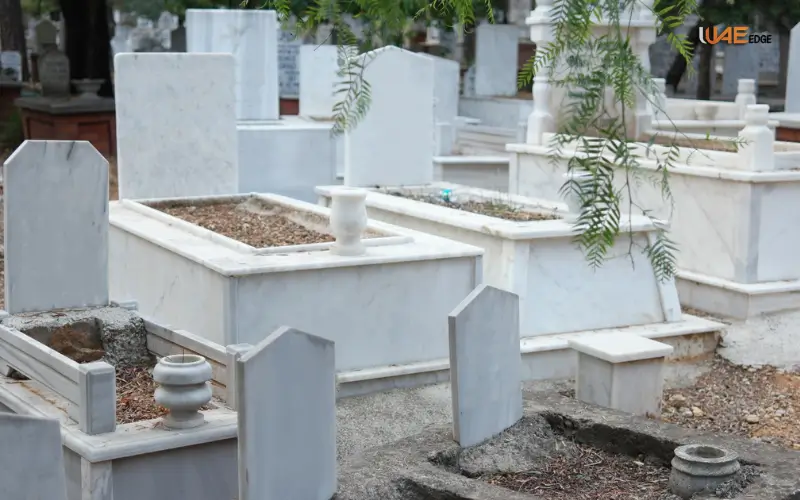
Once the prayers are over after the prayer, the body is interred to rest in the tomb. The tomb is a typical feature of Sharjah. The graves are also aligned with Mecca as per the Islamic traditions. Graves are usually simple and bare, sending a message about the honor of the occasion of death. The headstones and markers, in the cases of their use, are of a bare design and tend to consist of names and dates of the deceased. The minimalistic style is an adaptation of the Islamic religious ideals and ensures a dignified burial.
4. Family Involvement
Burial ceremony in Sharjah is an important aspect of the funeral process, which involves families. Relatives follow when it comes to covering the grave with the soil, praying,g and marking the grave site. The participation offers a sense of fulfillment to the bereaved andhelpso improve the relationship of the deceased with family in the spiritual aspect. It also confirms the values in the community and respect for culture during grieving.
Sharjah Municipality Requirements:
- The registration of death certificates.
- Request for burial plot
The cemetery has to adhere to its policies, besides security measures.
Sharjah Graveyard Management and Services.
All the public cemeteries are controlled by the Sharjah Municipality and use the best practices to keep them clean, secure, and easily accessible. They offer services like:
1. Booking a Grave Plot:
Sharjah Municipality takes care of the entire cemetery area of the emirate. It also provides a systematic way of booking burial sites. Through the municipal offices, families and residents can request a burial plot, which is an efficient and well-organized process. The system guarantees open and fair distribution of plotting and having the records in order and up-to-date.
2. Cemetery Maintenance
The graveyards of Sharjah are well kept and clean through regular maintenance, cleaning, and landscaping. The city makes sure that the cemeteries are clean and secure, and also decent to the family members and the tourists. Not only is the physical clean-up involved in the maintenance process, but also the protection of the pathways, plants, and boundary markers; this is another way to prove the role of reverence and respect in these sacred spaces.
3. Family Support Services.
There are also support services for families provided in the city. They can assist in the arrangements of a funeral, giving advice on the burial arrangements, and also the funeral arrangements in case of an emergency. With the help of which, families can be provided with support regarding the appropriate Islamic traditions and legal framework of the region, and make the process of funeral rites more comfortable in the midst of this crisis. The funeral ceremonies are conducted with dignity and effectiveness, and in line with the cultural and religious practices.
4. Record-Keeping and Compliance.
Sharjah city offices are fully equipped with archives of all the burial plots that guarantee the correctness of records concerning each burial location. They also ensure that they abide by local law, safety regulations, and traditions, and that they ensure that all burials are properly supervised and that all visitors follow the rules. The attentiveness to the supervision makes the Sharjah cemetery genuine and significant.
Cultural Significance and Traditions
Burial sites in Sharjah have a close connection to the Emirati culture. They represent:
- Family and ancestors respect the lineage.
- The Bedouin activities, including plain grave styles.
- Meeting of the community in the form of memorials and prayer.
- The Islamic burial rites were conserved.
The graveyards of Sharjah are not only useful, but also a testament to the Emirati values, the social identity, and the perpetuation of culture.
Conclusion
The graveyards of Sharjah are the embodiment of abundant spiritual, cultural, and historical heritage that the Emirate has to offer. Since pre-Islamic Bedouin tombs up to the cemeteries of present-day municipalities, they are important in Islamic burial traditions and the identity of the community. Realizing the locations, legislation, and relevance to the culture assists individuals and visitors to admire the practices as well as honour the cherished relatives.
Sharjah graveyards are in the epicenter of both the past and the present, and they are useful to maintain the Emirati tradition and values in the generations to come.
Frequently Asked Questions
1. Which are the most significant graveyards in Sharjah that one can find?
Al Layyah Cemetery, Al Dhaid Cemetery, Industrial Area Cemetery, and Sharjah City Central Cemetery.
2. What are the guidelines for visiting a Sharjah burial ground?
Dress simply, look upon the prayer place, and the cleanliness.
3. What is the way to book a burial plot in Sharjah?
Through the Sharjah Municipality by the Sharjah Municipality. Certif and also a plot request.
4. What are the customs and traditions to be used in funerals to be conducted in Sharjah?
Burial ceremonies in Islam include burial prayer, simple burial planning, and the involvement of family.
5. Does Sharjah have any graveyards that have historical importance?
Yes, we have some Bedouin and the previous Emirati cemeteries that are now part of the cultural heritage of the region.
6. What are the services offered by Sharjah Municipality to grave yards?
Upkeep, reservation of graves, burial supervision, and security of the cemetery.
7. Can the external visitors to the UAE visit Sharjah graveyards?
Certainly, by the local regulations and rules of visiting.
8. What are the roles of female attendees of funerals in Sharjah?
Women are allowed to go to religious services and attend funerals within the religious and cultural observances.
9. Do Sharjah have any private cemeteries?
Specific groups or families, and also municipal cemeteries.
10. What can Sharjah do to preserve the history of cemeteries?
Using the municipal system, one can document cultural awareness programs, in addition to documenting them.